

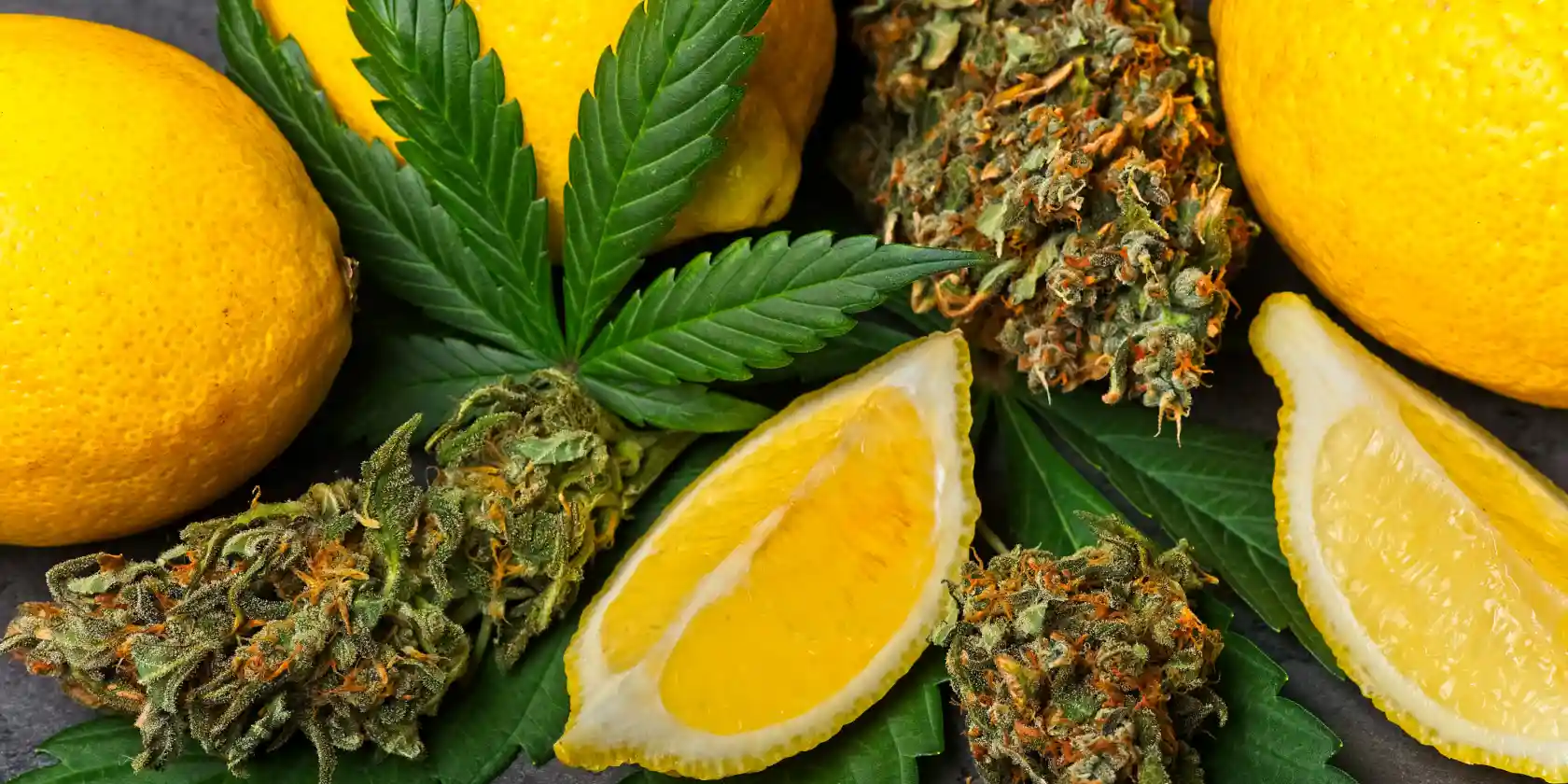
What Is Limonene? A Citrusy Terpene Explained
Limonene is one of the most abundant terpenes in cannabis, blessing countless strains with its bright and zesty aroma. But there’s much more to this terpene than its signature smell and flavor. What is limonene and why should you care about this terpene? Let’s dive in!
What Is the Limonene Terpene?
Even if you’ve never used cannabis, you’ve almost certainly caught a whiff of limonene already. If you’re a fan of citrus fruits or use citrus scented soaps or cleaners, you probably come into contact with it on a regular basis.
As you can probably tell by its name, limonene is a citrusy terpene with a zesty lemony scent. Apart from cannabis, limonene can also be found in things like rosemary, juniper, mint, fennel, and in the peels of citrus fruits like orange, grapefruit, and lime. Limonene also has numerous industrial and practical uses and can be found in things like cosmetic and cleaning products, beverages, food, and pharmaceuticals.
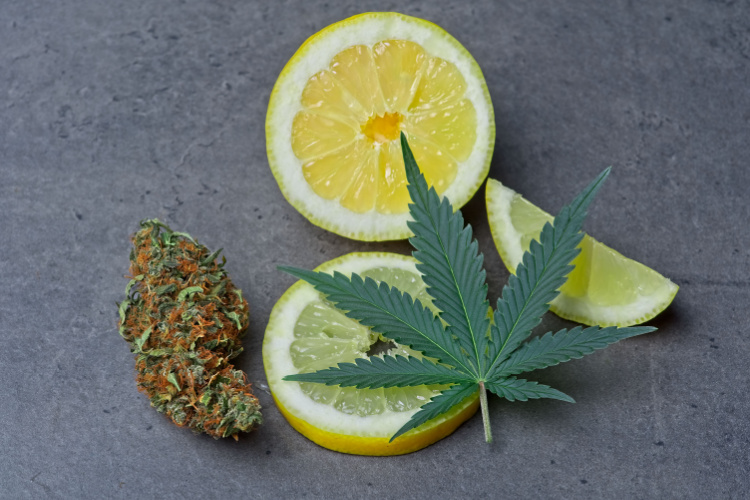
Exploring Limonene: Terpene Effects
Like with many other terpenes found in cannabis, research indicates that the limonene terpene may have some therapeutic value. Here are a few potential limonene terpene effects and benefits that researchers are investigating.
Stress and Mood: A recent animal study found that limonene may have positive effects on anxiety. Mice that were injected with limonene before behavioral analysis displayed inhibited anxiety-related behavior and elevated levels of the neurotransmitter dopamine, which is linked to feelings of motivation and satisfaction.
Antimicrobial: Many terpenes have shown promise in fighting off certain kinds of bacteria, and limonene is among them. A 2021 study found that limonene “effectively inhibited bacterial growth” of the Staphylococcus aureus bacteria (staph) by damaging the bacteria’s cell membranes. Another study from the same year also found that Escherichia coli (E. coli) bacteria treated with limonene were damaged.
Antifungal: A 2009 study found that limonene exerted a “potent antifungal effect” against the T. rubrum fungus. Another study found that limonene similarly inhibited the C. Albicans fungus growth “by cell wall/membrane damage induced oxidative stress that leads to DNA damage”.
Despite all of these promising findings, it should be noted that the dosage (amount) of limonene required to produce these limonene terpene effects varies and that research into these effects and benefits is ongoing.
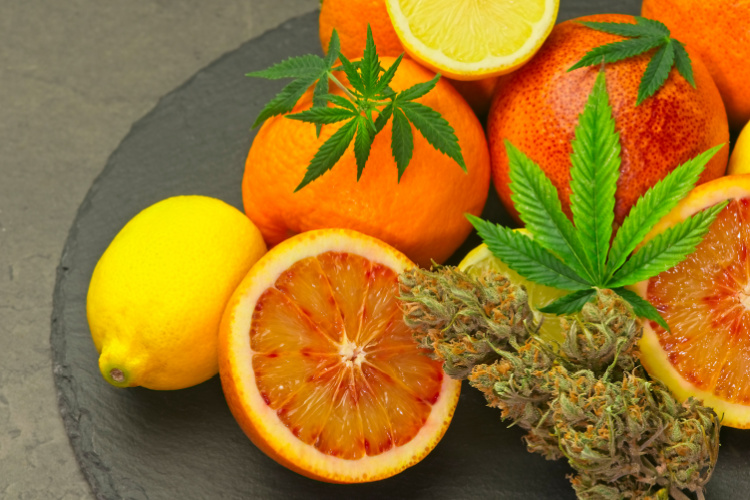
Strains High in Limonene
There are several strains that are high in the limonene terpene. If you’d like to get a taste of this zesty terpene, here are a few popular strains known for their limonene content:
- Do-Si-Dos
- OG Kush
- Kosher Kush
- Berry White
- Wedding Cake
Be sure to check out our live online menu to see which of these strains we currently have in stock, or come by Takoma Wellness today to browse a wide selection of cannabis strains and products including many that are high in the limonene terpene. Our patient care team will be happy to help you find a zippy limonene-rich strain. We look forward to seeing you!

Medical Marijuana for Sleep: Tips and Best Cannabis Strains
It’s no secret that more and more patients with trouble sleeping are turning to medical marijuana. In fact, a 2020 survey in the Journal of General Internal Medicine showed that poor sleep is one of the main reasons patients seek medical marijuana in the first place.
If you’re one of the nearly 70 million Americans that suffers from sleep problems every year, don’t give up. Medical marijuana may offer a solution to your bedtime sleep sorrows. We’ll take a look at how medical marijuana may help improve your sleep, as well as some of the best cannabis strains (indica and otherwise) for insomnia, in this post.
Marijuana and Sleep: How Does it Work?
Okay, so we know that sleep is one of the biggest reasons that patients use medical marijuana. But what does science actually say about cannabis’ effectiveness as a sleep aid?
A Recent Clinical Study
Fortunately, we have some clinical data on the subject. One team of researchers at the University of Western Australia’s Sleep Centre examined how cannabis extract affected participants suffering from sleep problems.
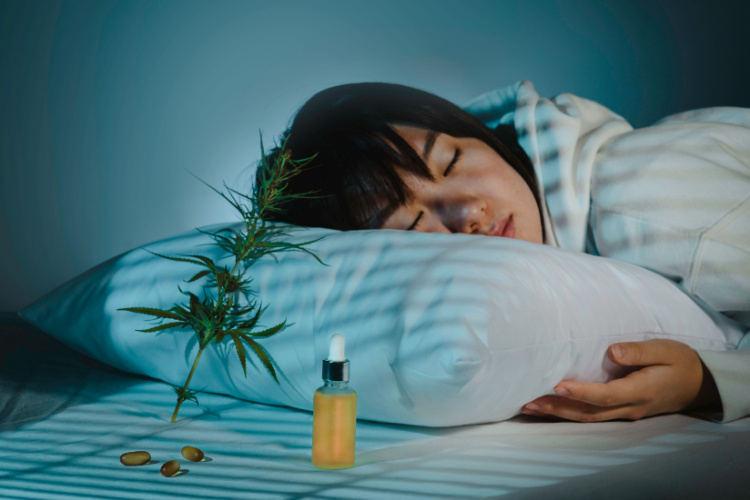
The study, published in 2021, was a double-blind, placebo-controlled study. That means some of the participants received cannabis extract while others were simply given a sublingual application with no actual effects. The researchers who administered both the placebo and the cannabis extract didn’t know which was real, a common scientific technique that works to eliminate any sort of researcher bias.
The study involved 24 participants and took place over two weeks. Participants kept a sleep diary over the course of the study to record any changes in their sleep pattern. Researchers also administered a comprehensive sleep test, called a polysomnography, during the course of the study.
The Results
Overall, the study appeared to show that cannabis could be an effective way to fall asleep faster and stay asleep throughout the night. Participants also reported that they felt more well-rested upon waking up in the morning. Moreover, the study showed that cannabis was fairly well-tolerated among all the participants. There were no serious adverse effects, suggesting that cannabis may be a safe way to improve sleep as well.
Cannabis for Sleep: Best Ways to Use Medical Marijuana
So we’ve established that cannabis can provide effective relief for those that suffer from sleep troubles. But how exactly can you best utilize marijuana to improve a night’s sleep?
That depends on what exactly you’re trying to accomplish. Two of the main active ingredients in cannabis, THC and CBD, each play their own role in changing sleep patterns. According to the Sleep Foundation, THC could be an effective way to deal with sleep apnea, to reduce nightmares related to PTSD, and to alleviate chronic pain keeping patients awake through the night.
In contrast, CBD could soothe REM sleep problems and eliminate daytime sleepiness, one of the most prominent side effects of insomnia. You can choose products with different THC to CBD ratios to make the most of these different benefits.
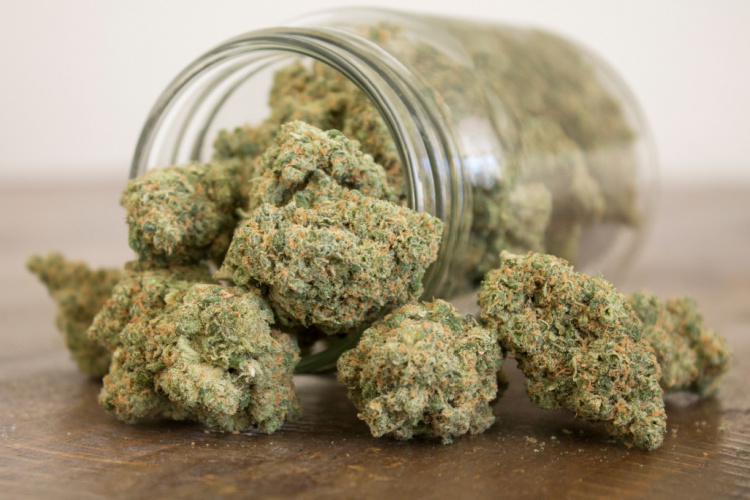
Use Edibles and Time Them Right
You also may want to consider using edible cannabis products to help get better sleep. Edibles have potent, long-lasting effects, sometimes lasting 6 hours or more. As a result, they may be an excellent choice for helping you stay asleep throughout the night. However, you’ll want to make sure you take them at the right time. Edibles can take up to an hour to kick in, though, so make sure you plan ahead and take them at least an hour before bedtime.
Are Indica Strains the Best Cannabis for Sleep?
There’s plenty of conventional wisdom out there that talks about how sativa strains are more energizing and euphoric, while their indica counterparts are more relaxing and best for improving sleep.
While many indicas do demonstrate these properties, not all of them do. Instead, a plant’s cannabinoid and terpene content will determine these effects. In particular, myrcene (one of the most common cannabis terpenes) appears to improve sleep according to some data.
The Best Medical Marijuana for Sleep
Finally, the moment you’ve all been waiting for! Here are some of the best cannabis strains that medical marijuana patients visiting our dispensary have reported help them with sleep.
Granddaddy Purple
It should come as no surprise that one of the best cannabis strains for medical marijuana patients seeking better sleep is this legendary indica. Grandaddy Purple made waves when it burst onto the scene in 2003, and it’s solidified itself as a top-shelf indica in the 20 years since. This cross between Purple Urkle and Big Bud has a high THC content, usually around 25% or higher. That makes it a perfect nightcap to tuck you in after a long day.
Sunflower Purple Myrcene
This heavy indica is loaded with myrcene, the perfect terpene for lulling you into a deep, restful sleep. Sunflower Purple Myrcene is so packed with this terpene that they put it in its name. This cannabis strain is also an indica, making it one of the best strains out there for medical marijuana patients seeking better sleep. Its THC level usually rests around 20% to 25%, making it accessible for experiences and newer cannabis consumers alike.
Hindu Kush
One of the original indica strains to make its way to Western cannabis consumers is also one of the best medical marijuana strains for sleep. With a THC content around 25%, Hindu Kush has lent its genetics to countless indica strains since its introduction to breeders in the 1960s. It’s a great strain for banishing daily stress and anxiety and lulling you into a comfortable, tranquil snooze.
Find the Best Strain for Sleep and More at Takoma Wellness
You’re not going to want to sleep on the indica cannabis strains in this post if you’re a medical marijuana patient trying to get better rest. Fortunately, you can find all of them at Takoma Wellness.
That’s not all, though—we also carry a huge variety of cannabis products for any ailment. To learn more, check out our online menu. And if you’re not a medical marijuana patient yet, we can help you complete your application. We’re looking forward to seeing you!
Navigating the World of Medical Cannabis Dispensaries: A Patient's Guide
High-ly Educated: A Guide to Choosing and Visiting a Medical Cannabis Dispensary
By Peter “Amsterdam"
In the realm of medicine, we often find ourselves confined to a narrow perspective, one that is limited by societal norms and conventional wisdom. But as the acceptance and use of medical cannabis continues to grow, we are presented with an opportunity to expand our understanding and approach to healing.
Just as the universe is vast and ever-expanding, so too is the potential of medical cannabis. And as with any new frontier, it is important to navigate it with care and intention. That is the purpose of this article - to provide a patient's perspective on the process of choosing and interacting with a dispensary.
In Washington DC, all adults over the age of 21, residents and visitors alike, can self-certify their medicinal use of cannabis and purchase cannabis flower, edibles, concentrates, and other cannabis products at regulated medical cannabis dispensaries, including at Takoma Wellness Center, the DMV’s first cannabis dispensary.
For the patient, the dispensary is not simply a place to acquire medicine, but a portal to a new realm of healing. It is a place where the patient can learn about the different strains of cannabis, their effects, and how to use them to best suit their needs. And it is a place where the patient can explore the different forms of consumption, from smoking and vaping to edibles and tinctures.
But just as one would choose a doctor or a pharmacy with care and attention, it is important to approach the process of choosing a dispensary with the same level of thought and consideration. It is a place where questions can be asked and answers can be received from knowledgeable and helpful staff. And it is a place where the patient can discover the true potential of medical cannabis. Takoma Wellness Center is such a place.
CHOOSING A DISPENSARY

Takoma Wellness Center is conveniently located in North West Washington DC near the Takoma Metro Station.
When it comes to choosing a dispensary, reputation and legitimacy are important. After all, it is not just about acquiring medicine, but also about finding a source that can be trusted. A reputable and licensed dispensary will not only provide high-quality medicine, but also offer guidance and education on its proper use.
Of course, location, selection, and pricing are also important factors to consider. It is important to find a dispensary that is easily accessible and has a wide range of products to suit the patient's needs. And while cost is always a concern, it should not be the sole determining factor in the decision-making process.
But how does one verify the licensing and legitimacy of a dispensary? One way is to check with the local government to see if the dispensary is properly licensed and in compliance with all regulations. Another way is to ask for information about the source of the cannabis and the testing process. A reputable dispensary will be transparent and forthcoming with this information. In Washington DC, be sure to check that your source is a regulated cannabis provider.
In essence, choosing a dispensary is about finding a balance between reputation, location, selection, pricing, and trust. It is about finding a place where the patient feels safe and comfortable, and where the medicine provided is of the highest quality. It is a process of discovery, and one that should be approached with an open mind and a discerning eye.
INTERACTING WITH A DISPENSARY
To truly make the most of the dispensary experience, one must first have a clear understanding of their own medical needs and treatment goals. Only then can one truly begin to explore the vast and varied selection of medical cannabis products available.
When approaching and communicating with dispensary staff and budtenders, it is important to remember that they are there to assist you in your journey towards wellness. They are knowledgeable guides, here to help you navigate the often-confusing landscape of medical cannabis.
When speaking with a budtender, do not be afraid to ask for recommendations. They have likely assisted countless individuals with similar needs and can provide valuable insight into which products may be best suited for you.
But do not stop there. Take the time to explore the selection for yourself. Browse the products, ask questions, and trust your intuition. It is important to remember that the journey towards wellness is a personal one and ultimately, only you can decide what is right for you.
The dispensary experience is not just about purchasing a product, it is about connecting with oneself and finding the path towards balance and harmony. Embrace the journey and trust the process.
QUESTIONS TO ASK AT THE DISPENSARY
As you embark on your journey through the dispensary, it is important to ask questions, not just about the products themselves, but about the source and testing process of the cannabis. Knowing where your medicine comes from and how it has been tested is crucial in ensuring its safety and effectiveness.
As you peruse the different strains, take the time to ask about their effects and how they can be used. Each strain has its own unique characteristics and can provide a different experience. It is important to understand the variations and choose the strain that aligns with your treatment goals.
But it is not only about the strains themselves, it is also about dosage. How much should you take, and how often? These are important questions to ask, as different individuals may have different tolerance levels and sensitivities.
And once you have your cannabis in hand, it is important to know how to store it properly to ensure its freshness and effectiveness. Ask about the best storage methods to prolong the life of your medicine.
Check out Ask the Budtender for questions and answers from the budtending team at Takoma Wellness Center in Washington DC.
Remember, the dispensary experience is about more than just purchasing a product. It is about understanding the source, the process, the strains, the effects, the dosage, and the storage of the cannabis. It is about taking the time to find the right medicine for you, and to ensure its safety and effectiveness.
ELEMENTS THAT MAKE A DISPENSARY VALUABLE TO A PATIENT
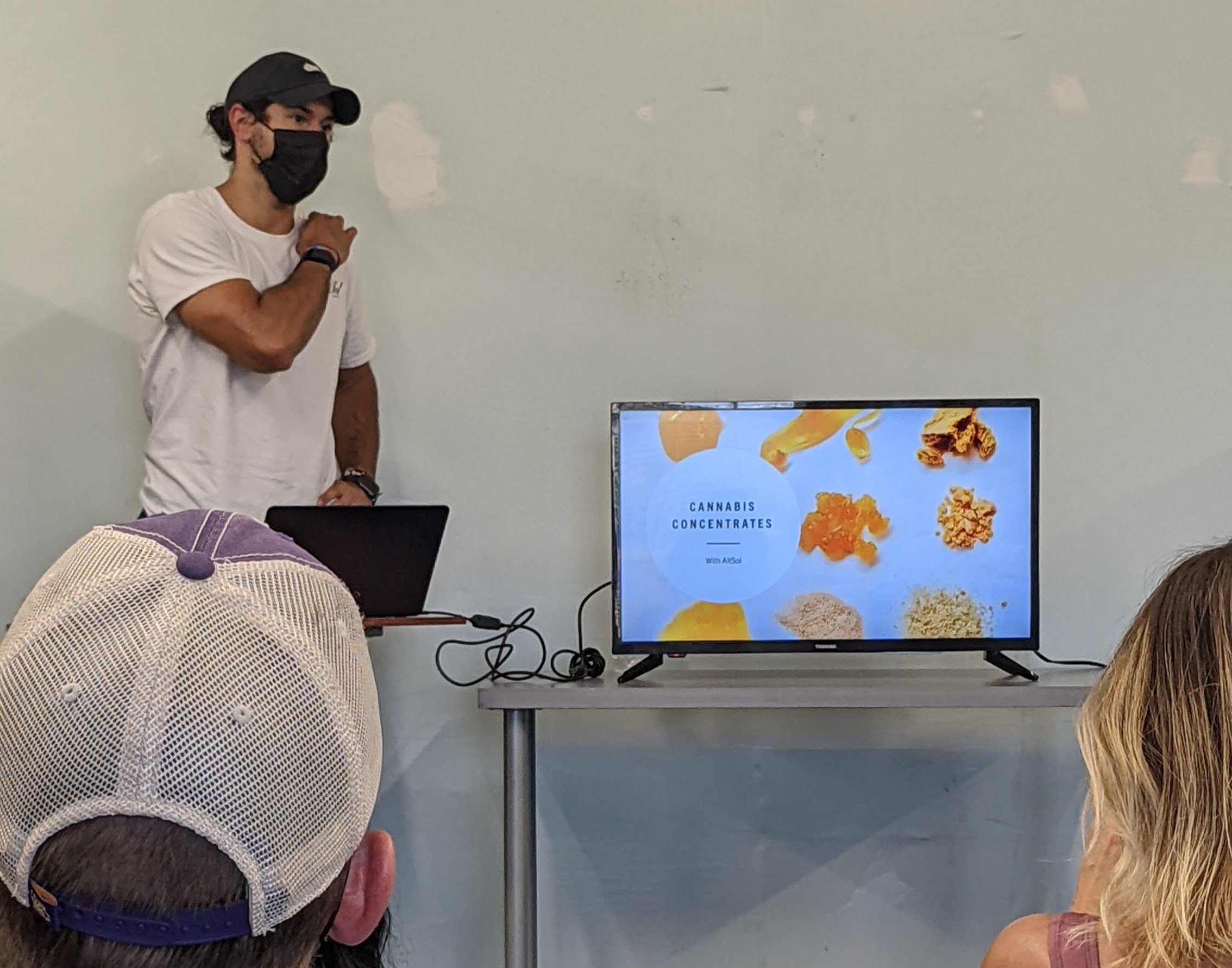
Go for in-depth education sessions at Takoma Wellness Center. Here’s a representative from AltSol, DC’s premier craft cannabis cultivator talking about craft concentrates at an educational session.
As we dive deeper into the world of medical cannabis, it becomes clear that a valuable dispensary is one that not only provides a wide variety of high-quality products, but also offers knowledgeable and helpful staff. A dispensary that is able to guide you through the process and assist you in finding the right medicine for your needs is of immense value. The budtender conversation should not be rushed; a patient should get all of their questions answered in a relaxed manner. Takoma Wellness Center encourages their budtenders to spend the time necessary to make each patient feel educated and heard.
It is also important to consider the quality of the cannabis itself. A dispensary that sources its products from reputable growers and subject them to rigorous testing is a valuable asset. The variety of products available is also crucial, as different patients may have different preferences and needs. Takoma Wellness Center stocks products from every licenced cultivator and manufacturer in the District of Columbia.
But a dispensary's value doesn't stop at its products and staff. Additional services, such as delivery and educational resources, can also greatly enhance the patient's experience. The ability to have your medicine delivered directly to your door and access educational resources to further your understanding of medical cannabis are invaluable. Takoma Wellness Center delivers in Washington DC.
A valuable dispensary is one that not only provides a wide variety of high-quality products, but also offers knowledgeable and helpful staff, sources its products from reputable growers, and provides additional services such as delivery and educational resources. It is one that is dedicated to helping patients find the right medicine for their needs and supporting them on their journey towards wellness.
THE FINAL WORD

Takoma Wellness Center has the best selection of cannabis products in the city!
As the acceptance and use of medical cannabis continues to grow, it is crucial for patients to have a clear understanding of how to choose and interact with a reputable and reliable dispensary. The key points to remember are to find a licensed dispensary, consider factors such as location, selection, and pricing, verify the licensing and legitimacy of the dispensary, have a clear understanding of one's own medical needs and treatment goals, ask questions about the source, testing process, strains, effects, dosage, and storage, and look for dispensaries that provide knowledgeable and helpful staff, high-quality cannabis, and additional services such as delivery or educational resources.
It is important to remember that the journey towards wellness is a personal one and the right dispensary will be a valuable partner on this journey.
The dispensary experience is not just about purchasing a product, it is about connecting with oneself, finding the path towards balance and harmony, and having a reliable and knowledgeable partner on this journey. Take the time to find the right dispensary for you and trust the process.
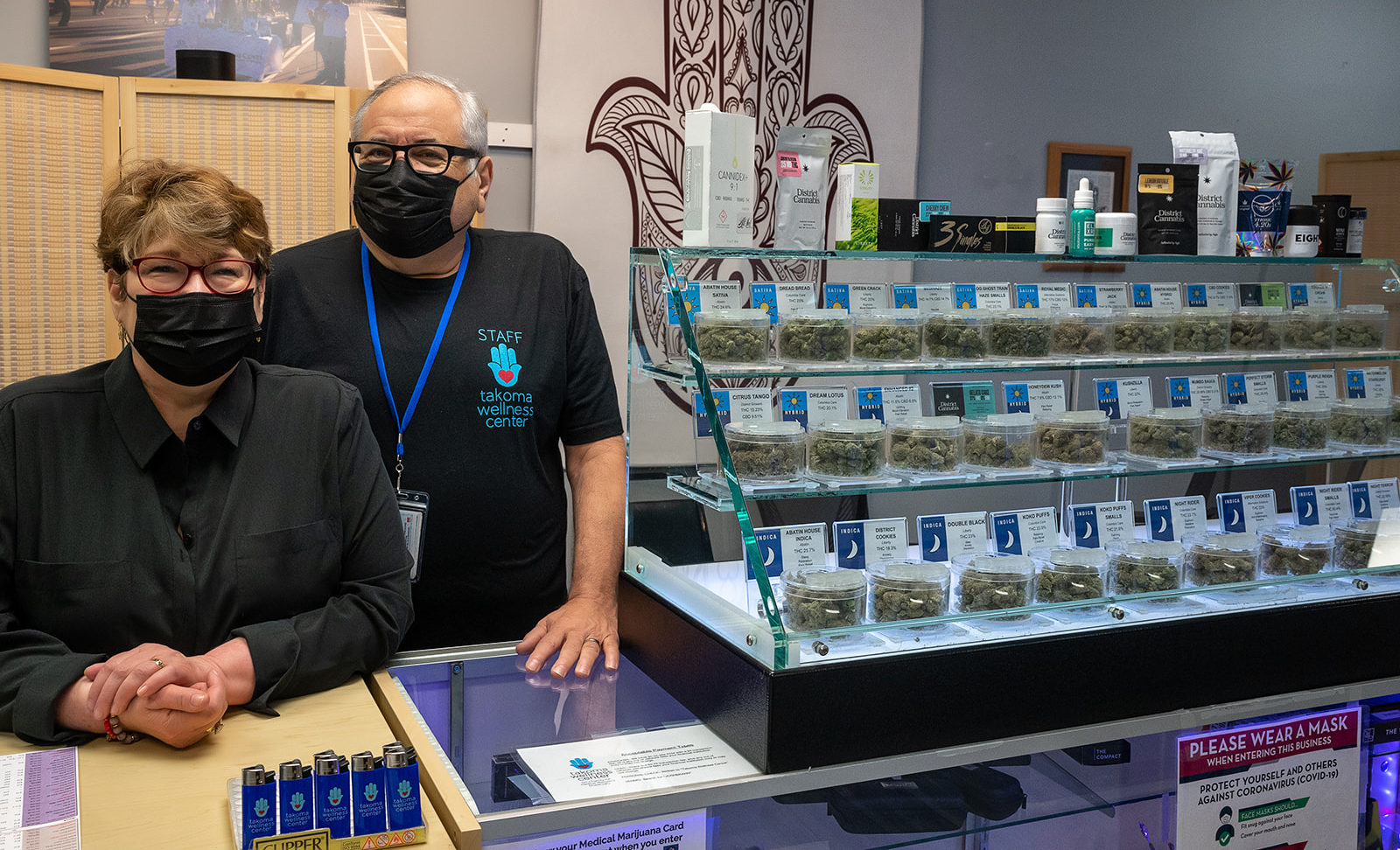
For patients in Washington DC, Virginia, and Maryland, Takoma Wellness Center is the right dispensary. Located in northwest Washington near the city’s border with Maryland, Takoma Wellness Center is accessible by Metro and car. Takoma Wellness Center is a very short walk from the Red Line’s Takoma Metro Station and also has on-site parking. Their selection is huge, featuring nearly 150 different strains of cannabis flower and concentrates, tinctures, and edibles galore. Self certify your medicinal use of weed and start medicating today!
Cannabis Topicals: How Do They Work?
Cannabis-infused topicals can be traced as far back as ancient Egypt, and today you’ll find a wide variety of topical THC and CBD products formulated to serve a wide variety of purposes.
In this post we will explain what cannabis topicals are and how they work. We will also cover the differences between topical THC and CBD products and how they might be used. Let’s dig in!
What Are Cannabis Topicals? How Do They Work?
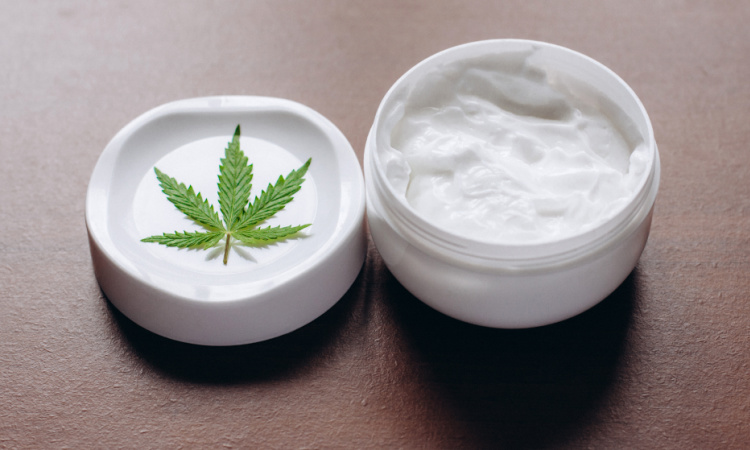
Cannabis topicals are cannabis-infused products that are applied to the skin for localized relief. Cannabis extracts can be added to any number of topical products, and today you’ll find everything from salves, lotions, and balms offering a variety of formulations targeted at specific concerns.
Cannabinoids like THC and CBD are known for the effects they produce when inhaled or ingested, but they are equally able to produce effects in the skin. How? We can thank a system of receptors called the endocannabinoid system (ECS).
Aside from impacting basic biological functions like sleep, appetite and mood, the ECS is also active in the skin where there are many receptors able to utilize cannabinoids when applied topically.
While research on the endocannabinoid system’s role in skin function is still in early days, investigators are uncovering several potential benefits for using cannabinoids topically, such as:
- Reducing inflammation
- Pain relief
- Antimicrobial effects
- Anti-itch benefits
- Oil gland regulation
Together these properties may offer relief for many different symptoms or conditions related to the skin, and initial research has looked at everything from the treatment of inflammatory skin conditions like eczema, to the treatment of neuropathic pain and even how cannabinoids might impact more common skin conditions like acne.
Once applied, you should feel the effects of a cannabis topical within minutes, and effects typically last for about two hours.
Topical Versus Transdermal
You may come across another category of products when searching for cannabis topicals called transdermals. Transdermal products are, in fact, topical in that they are also applied to the skin. But there is one important difference between a topical and a transdermal product: Transdermal products are designed to penetrate all layers of the skin to eventually reach the bloodstream.
Most often sold as gels or patches, transdermal products offer deeper penetration of the targeted areas to which they are applied. Because they reach the bloodstream, they can offer system-wide benefits or effects as well. Transdermal patches, in particular, are designed to offer a steady and slow release of cannabinoids over a period of several hours, making them a great option for extended relief.
Like lotion and salve topicals, the effects of a transdermal gel or patch should be felt within a few minutes. The effects of gels last on average two to four hours, while transdermal patches can be designed to release their active ingredients for many hours. Be sure to check out the product label since this will vary from patch to patch.
While there are topical and transdermal products featuring a variety of different cannabinoids on the market, in most cases you will find the main active ingredients in cannabis topicals are THC, CBD or a combination of both. Let’s unpack them next.
Topical THC: Cannabis Salves, Lotions and More
One common question we get at Takoma Wellness Center is whether THC-infused topicals will make a person feel intoxicated, or whether using THC topicals might show up on a blood test.
Since topical products cannot penetrate the skin to reach the bloodstream, you should only feel localized effects to the application when using THC topicals. And, as research supports, using THC topicals alone shouldn’t show up in a blood test.
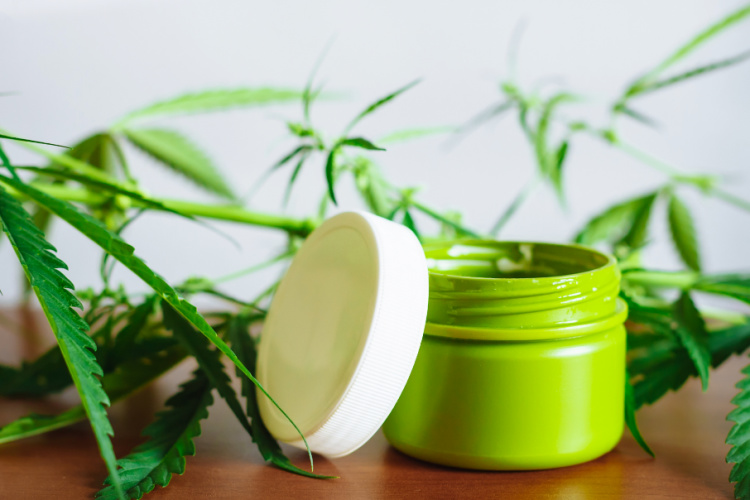
THC topicals are being investigated for the treatment of inflammatory skin diseases, neuropathic pain and even for the treatment of glaucoma. Many patients use THC-infused salves, lotions and balms to help them relieve muscle soreness, joint pain or other sources of pain and discomfort.
Keep in mind that transdermal products containing THC will penetrate through the skin to enter the bloodstream, which may produce feelings of intoxication and can show up on blood tests.
Topical CBD: How Do CBD Topicals Work?
Do CBD topicals like a lotion work any differently than topical THC? The answer is yes and no.
When applied topically CBD works, in essence, in much the same way as topical THC: by activating the cannabinoid receptors that are found in the skin. But CBD modulates different receptors than does THC, meaning that CBD may exert similar effects as THC but achieves these effects in different ways.
Like THC, CBD is being investigated for inflammatory skin conditions and for the treatment of different kinds of pain and discomfort, among other uses.
Some patients prefer the topical effects of CBD, or want to avoid THC altogether, making topical CBD a great option. But since THC and CBD work differently in the body to provide similar benefits, many products will feature a combination of both THC and CBD in order to take advantage of their synergistic effects.
When it comes to THC versus CBD topicals, there is no right or wrong answer. Ultimately it comes down to experimenting with different products and formulations to find what works best for your needs.
Cannabis Topicals: Final Thoughts
We hope this introduction to cannabis topicals has been helpful! If you have further questions about how these cannabis products work, or you’d like some help navigating the topical products we carry at Takoma Wellness Center, please come visit us today.
Our team is always here to help you make the best and most informed decisions you can when shopping for medical cannabis. Of course you can always browse our live online menu, too! Either way, we look forward to serving you
Fuel Biscuits Strain Review
It seems like there’s no shortage of rare boutique strains out there. And while some of them aren’t exactly worth your time, many of them are.
One that falls into that latter category is the topic of today’s strain profile. We’re talking about Fuel Biscuits, an indica-dominant strain that’s related to another genetic line you’ve probably heard of. We’ll check out some of the main traits of Fuel Biscuits in this strain review, along with some benefits it may have for medical marijuana patients.
Fuel Biscuits: A Big, Green, Indica-Dominant Marijuana Strain
There is no denying the visual appeal of strains with dazzling purple hues or bright orange hairs. And while these definitely can be the marks of high-grade cannabis, those colorings aren’t the be-all, end-all of marijuana quality. In fact, many verdant green colored plants match the caliber of any rainbow-hued buds.
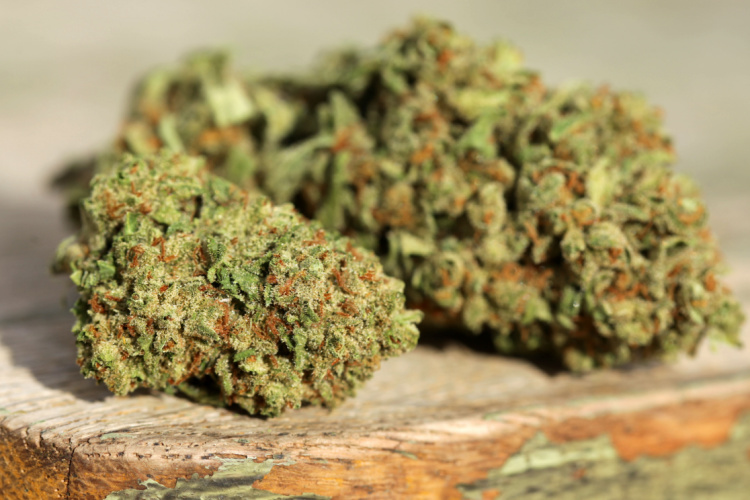
That’s exactly what you get with Fuel Biscuits. Its flower features bursts of vibrant green colors that range from lime to deep forest green. It’s got an aroma that you’d only find in a cannabis plant, combining tones of diesel fuel with citrus, sweet, sour, and spicy scents. When smoking this strain, the fragrant building blocks coalesce into a sweet flavor, leaning heavily on qualities like berries and cherries to create a lip-smacking taste.
A major determinant of Fuel Biscuits flavor is its genetic line. As a GSC x Gelato cross, it’s a member of the illustrious Girl Scout Cookies family. That makes it the closest thing you get to cannabis royalty these days. It also gives Fuel Biscuits a solidly indica-dominant genetic profile, which influences its effects.
Effects and Properties of Fuel Biscuits
Appearance, aroma, and flavor are only part of the picture that Fuel Biscuits paints, of course. The rest of the image comes clearly into view once you take a look at this strain’s effects. And with an average THC content that hovers between 25% and 27%, Fuel Biscuits flower offers potency.
Its indica-dominant properties include heavy body relaxation, with tingles that hang over your body like a warm blanket. However, it does demonstrate some more properties typical of a sativa strain: It definitely features a rush of euphoria along with a general uplifting feeling. Make sure to keep snacks on-hand though, since this strain can instill a serious case of the munchies.
Possible Benefits of the Fuel Biscuits Strain
If you’re a medical patient, there’s plenty to love about Fuel Biscuits. Patients have noted that it may be an effective way to lessen anxiety and stress. Additionally, some have reported that it helped them with feelings of depression. As with most strains of medical cannabis, it could help patients find relief from chronic pain. Finally, it also could improve low appetite.
Experience the Fuel Biscuits Strains at Takoma Wellness
Are you interested in trying this strain for yourself? You’re in luck! You can find this rare strain at Takoma Wellness, along with a huge variety of other strains and other products in our online store.
Cannabis Concentrates: What is THC Wax?
For decades, cannabis cultivators have been on a quest to increase the potency of cannabis cultivars, but fresh flower can only express so much THC before it tops out, usually in the 30% – 35% THC range. Enter cannabis concentrates.
As the name suggests, concentrates have “concentrated” levels of chemicals from the cannabis plant, particularly the psychoactive cannabinoid THC or the non-intoxicating CBD. Although all concentrates share very high potency levels, there are important distinctions between different products.
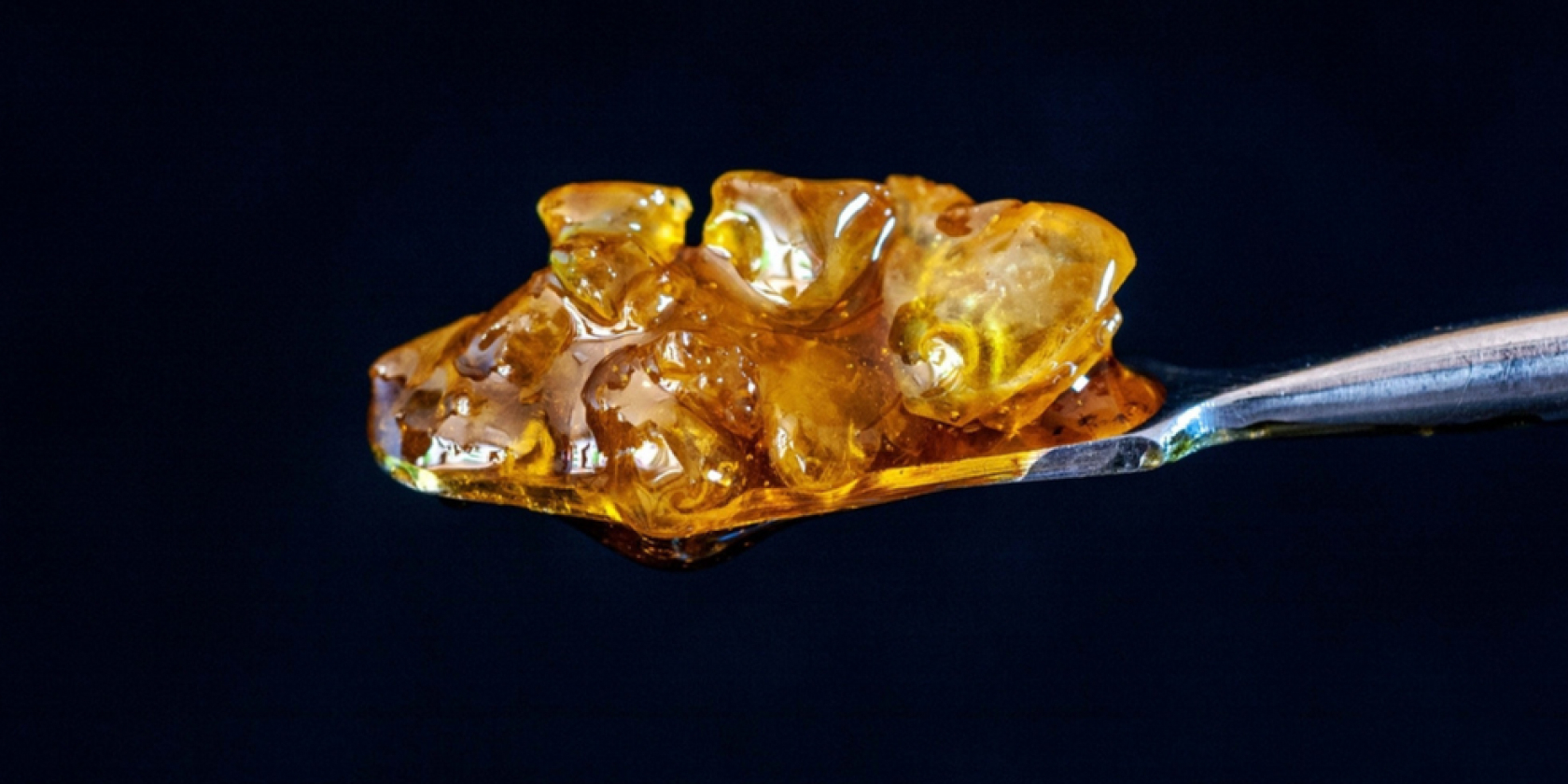
For instance, THC wax, also called weed wax or simply just wax, is a specific type of concentrate with a distinctive appearance and texture that remains a favorite among the customers at our DC dispensary. Learn more about the nuances of cannabis wax and see if it’s the right product for your needs and preferences.
What Is Wax?
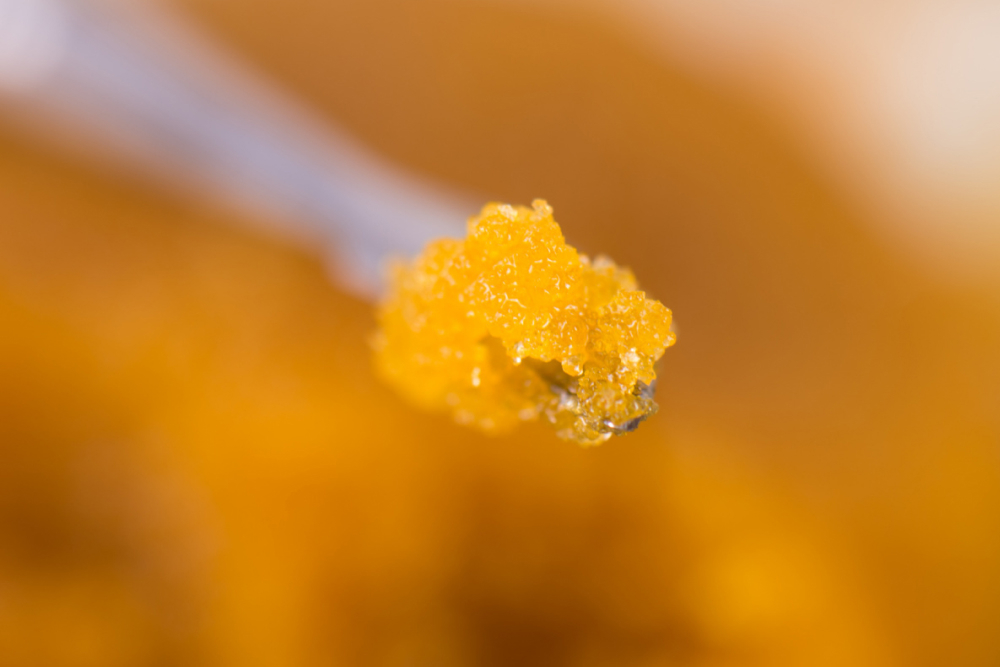
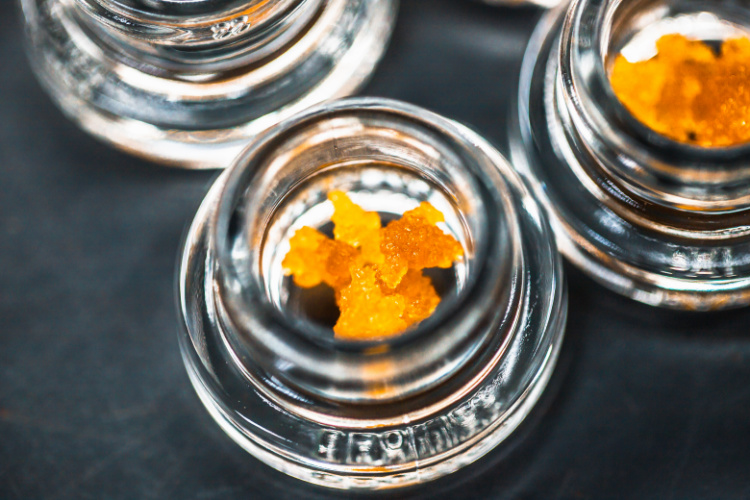
THC wax is a type of cannabis concentrate, which is a consumable product that contains concentrated levels of chemicals from the cannabis plant, namely the psychoactive cannabinoid THC. Wax has a sticky texture and opaque appearance and contains high amounts of potent cannabinoids.
The exact consistency of wax depends on the extraction process a manufacturer uses and how forcefully they whip their final product, but generally these concentrates range from crumbly on one end to creamy on the other. People typically consume (or “dab”) wax from specialized dab rigs, but it’s also possible to use wax in concentrate-friendly vape pens or even mixed with cannabis flowers.
Because wax has such a high potency, it’s not typically recommended for newcomers to cannabis products. Concentrates like wax can be especially useful for medical patients treating hard to manage and chronic symptoms, or are enjoyed by cannabis consumers who have experience with their own tolerance levels and know how THC affects their bodies.
How Is THC Wax Made?
When weed is made into wax it falls into a category of concentrates known as “butane hash oils” (BHOs) since manufacturers use the compound butane in the extraction process. After the extractors gather their dried and cured cannabis buds, they place them in a specialized chamber where they introduce butane to strip away the cannabinoid and terpene-rich trichomes from the plant material.
Using advanced machinery to carefully control temperature and pressure, this process eventually rewards extractors with a sticky weed concentrate that they can agitate or whip to create their desired consistency, which can range from crumbly to creamy.
Why Choose Weed Wax Over Other Concentrates?
Since all cannabis concentrates share similarly high potency scores, why would customers choose wax over another product? Well, rather than looking into an extract’s intensity, people often consider other factors like consistency or flavor when differentiating concentrates and deciding what to buy. Customers who are on the fence over whether wax is the right choice should consider a few key distinguishers.
Texture and Ease of Use
One of the key features that sets weed wax apart from other concentrates is its malleable texture. Typically, wax is soft, smooth, and easy to handle, making it one of the simplest concentrates to dose precisely when dabbing. This “scoopable” texture is different from both soupy sauce and brittle shatter, both of which are far more challenging to deal with. Wax can easily be applied to a dab rig or vaporizer, making it a particularly good choice for people who want a no-fuss dabbing experience.
Versatility
This famous consistency also makes weed wax one of the most versatile concentrates fit for many different situations. While weed wax works great in dabbing rigs, it’s also easy to incorporate into flower for an extra intense joint, bong, or blunt session. You could also portion your weed wax and put it into a concentrate chamber for a vaporizer or wax pen without serious issues. This flexibility makes wax suitable for a wide range of consumption methods and preferences — perfect for people who enjoy using weed in a variety of ways.
Affordability
Compared with some other weed concentrates like live rosin, wax is a cost-effective choice for weed consumers. Since wax products often go through solvent-based extraction, they’re easier to mass produce versus solventless extracts, often translating to lower costs for consumers. True, wax can be more expensive upfront versus flowers, but its high potency levels mean dabbers don’t need as much product to achieve potent results. As long as you take care to store their wax properly (i.e., away from heat and light), you could get a lot of use out of just one purchase of wax.
Purity
Solvent-based concentrates are sometimes looked over in favor of those made without chemical solvents. In reality, when produced by professional extractors there’s minimal chance of residual butane ending up in your final product. High-quality wax is made using advanced extraction machines and methods that are able to remove even microscopic impurities, resulting in a cleaner and tastier end product. Many people who use lab-tested wax rave about how much smoother the inhalation feels and how they don’t really taste any harsh chemicals or plant matter. While wax may not be as terpene-rich as live rosin, it still has a great reputation for exceptional and natural cannabis flavors at a fraction of the cost.
How To Use THC Wax
There are many ways to use weed wax and to get the most out of this unique cannabis concentrate.
- Dabbing: Arguably the most popular consumption method, dabbing wax involves using a special bong-like device called a dab rig to vaporize weed wax using a nail attachment and a blowtorch. For those who don’t feel comfortable wielding a blowtorch, products like e-nails and e-rigs offer a similar dabbing experience without fire.
- Vaporizing: Many vaporizers contain a heating chamber specifically designed for concentrates. These wax-friendly devices can reach temperatures high enough to produce vapor from viscous substances like extracts. Some modern vaporizers have adjustable controls to control the nature of your vape session.
- Mixing: Mixing a bit of THC wax with ground flower is another popular way to use it. In fact, the method is so popular that it’s been dubbed “twaxing” when rolled into and onto a flower-filled joint or pre-roll. Cannabis wax can add an extra boost to the smoking experience, change the flavor profile of your flower, and may help keep the rolling paper from unraveling.
While wax may not have the aesthetic appeal of shatter or the rich aromatic profile of something like live rosin, it offers a high-potency experience in one of the most convenient consistencies.
Shop Quality THC Wax at Takoma Wellness
Cannabis wax is a unique concentrate that is tasty, potent and versatile, and it’s become a go-to choice for many cannabis consumers. Like all cannabis concentrates, wax is more potent than other smokable forms of cannabis and its high potency levels are most often sought out by medical cannabis patients and consumers who are familiar with THC and its effects.
If you’ve been wanting to explore the wide world of THC wax, we’re here for you. Stop by our DC dispensary to chat with our knowledgeable team and find the wax or cannabis product that’s right for you. At Takoma Wellness, you can find artisan-grade flower, high-quality edibles, vapes, concentrates, and so much more. Visit us in-person or browse our online menu for more details.

Finding Your Ideal Dosage for Edibles
When it comes to cannabis, there’s no question that flower remains the most popular way to enjoy it. However, there’s a lot that can be said about edibles, especially as the legal market continually expands and new products are constantly hitting dispensary shelves. Whether it’s cannabutter, gummies, or brownies, edibles have a long history in cannabis culture, and manufacturers continue to cater to the cannabis community’s insatiable demand for delicious goods.
With such a wide range of tasty treats in today’s cannabis market, it may be tempting to grab any bag of gummies and start munching to your heart’s content. However, if customers don’t take proper precautions when evaluating their edible dosage, what could have been a euphoric experience can turn into an unpleasant one.
To have a stress-free session that will leave you relaxed rather than anxious, learn how to dose your edibles for the best cannabis experience possible.
What Are Edibles and How Do They Work?
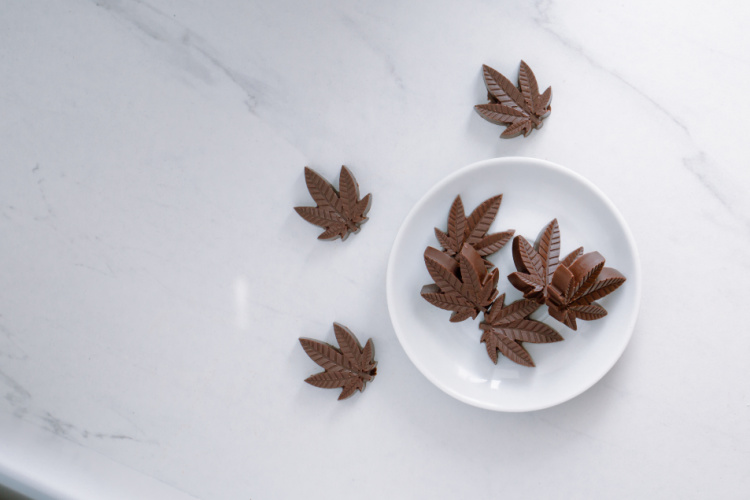
Let’s start with a basic definition: “Edibles” are foods or beverages that include the cannabis plant’s active and unique compounds, such as cannabinoids. Although most commonly associated with the intoxicating effects of the cannabinoid THC, edibles can contain any collection of cannabinoids, including the non-intoxicating CBD and lesser-known molecules like CBG or CBN.
When you eat an edible, these cannabinoids have to go through the digestive process rather than straight into your system through the lungs, which means the effects will take longer to enter the bloodstream. Since the liver breaks down these cannabinoids, some may assume they aren’t as intense as high-absorption products like pre-rolls or vape pens, but this isn’t necessarily the case. It’s important to consider a few extra points closely to understand the complexities of edible dosage better.
11-hydroxy-THC
First, when THC metabolizes in the liver, it doesn’t enter the bloodstream as typical THC. Instead, it transforms into another cannabinoid known as 11-hydroxy-THC (11-OH-THC). Why does this matter? In one word: Potency. According to some studies and plenty of anecdotal testimonies, 11-hydroxy-THC can make edibles feel stronger than their smokable counterparts.
So, even though THC is metabolized by the liver before entering the bloodstream, it might be more intense due to 11-hydroxy-THC’s powerful impact. Put another way: While the bioavailability (i.e., the amount of cannabinoids accessed by your body) decreases, the apparent dosage increases, leading to the feeling of stronger effects with less THC.
Onset Time and Duration
Another reason it’s more common to misjudge your milligrams with an edible dosage is its delayed onset time. Since it takes time for your body to metabolize THC, you won’t feel the hit of a cannabis edible immediately. Sometimes, edibles can take up to 90 minutes before you may feel any of its effects. Due to this delay, it can be common for consumers to take more early on—only to regret that decision later in the day.
The effects of edibles also tend to have a more prolonged impact, typically 4-6 hours or longer, versus the sharp spike and quicker comedown of a smokable joint or vape pod.
Other Factors to Consider
Many secondary factors could influence how you experience your cannabis edible dosage. For instance, even if two consumers took the same cannabis dosage, one person might feel a relaxing body buzz while the other could feel very little at all. There are many possible reasons for this, but a few of the most common factors include the body mass index (BMI), average metabolism, and the age of the person
Plus, if someone is more experienced with cannabis and has a higher tolerance to THC, chances are they can take larger doses of an edible without experiencing adverse effects. Lastly, if you already have food in your stomach, there’s a better chance your edible dosage won’t hit as hard as your body has to deal with a greater digestive load.
Is There A Recommended Dosage for Edibles?
Since everybody has different reactions to edibles—and there’s no FDA guidance on how to administer them—finding the perfect dosage for you and your body will take some time and experimentation. However, there are a few general guidelines on how different milligram ranges of THC typically impact new users.
How To Dose Edibles: General Potency Guidelines
Remember that these are general guidelines and don’t apply to everyone equally. It’s always best practice to start low and slow to avoid unwelcome side effects.
- 1 – 2.5 mg: This low edible dose tends to be perfect for new consumers who have minimal tolerance to THC or for experienced users who are more interested in microdosing during their workday without experiencing an overwhelming “high” sensation.
- 2.5 – 15 mg: In this range, most users will experience impacted coordination and perception, but it’s typically manageable if you have a decent tolerance for THC. More experienced users who no longer feel the effects of microdosing—or who want more significant symptom relief—often dose in this range.
- 30 – 50 mg: It’s likely consumers with a low tolerance to THC will have adverse effects if they start in the 30 – 50 mg range. However, those who have a high tolerance for THC might feel a stronger and more pleasant high, ideal for symptom relief in a private setting when patients don’t have to be productive.
- 50 – 100 mg: These high doses are recommended only for patients with a high tolerance for THC and who may be looking for extreme relief. The effects of THC edibles at these levels are almost guaranteed to alter perception and impair motor functions, as well as give users an intense euphoric sensation. There’s also a greater risk for adverse effects like nausea, paranoia, and body tremors at these higher levels.
Edibles for Beginners: Our Top Tips
The standard advice when dosing edibles is simple: “Go low and slow.” Just because you can’t feel the THC in a gummy within a few minutes doesn’t mean it’s not working its way through your system to create a powerful experience.
For the lowest risk of adverse reactions like anxiety and paranoia, it’s recommended that beginners to edibles should stick with a tiny concentration of THC and avoid the temptation to gobble more gummies early in your session. First-time consumers typically won’t know how a gummy feels until about 45 – 60 minutes after swallowing it—sometimes even up to 90 minutes—so it’s important to stay strict with your initial edibles dosage and take it in a controlled environment.
After you gain more experience with THC, you may want to experiment with slightly higher edible dosages at each session. The safest way to ramp up an edible’s intensity is through “incremental titration.” Put simply, this means gradually increasing your maximum edible dosage by just a few milligrams with each session and monitoring its effect on your body. It’s a good idea to keep an edible dosage journal where you record key information like the edible you took, how much THC was in your serving size, and any notable effects you noticed. The data in your edibles dosage diary will help establish your baseline tolerance and determine the levels of THC that work best in different situations.
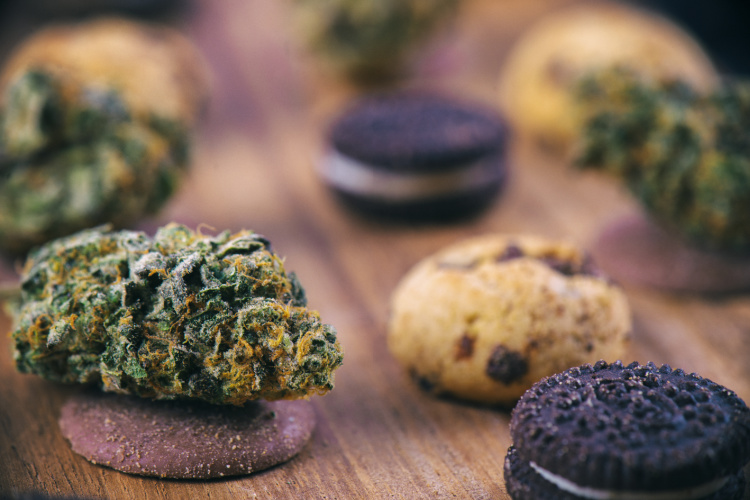
Shop Quality Cannabis Edibles and More At Takoma Wellness Center
Interested in incorporating cannabis edibles into your routine? We’ve got you covered. Head to Washington DC’s favorite medical dispensary, where you’ll find dozens of tasty products from some of today’s hottest edibles manufacturers.
Whatever you’re looking for, Takoma Wellness offers medical marijuana patients plenty of lab-tested, potent, and high-quality cannabis products to suit your needs. If you’re in the DC area, stop by and say hello to our knowledgeable team, or browse our online menu for premium cannabis and pick up your delicious edibles in-store. You can also choose convenient delivery and get everything sent right to your door.
If you have questions about the new self-certification process in DC, just reach out! We’re happy to help.

Understanding Weed Terpenes: A Foundational Guide
We’ve talked about a few of the most important compounds in cannabis before: cannabinoids such as THC and CBD that give the plant its medicinal and euphoric effects. But while we sometimes describe the cannabinoids as the major “active ingredients” in cannabis, they’re hardly the only piece of the puzzle. If you’re new to cannabis or looking to deepen your knowledge, it’s time to get familiar with cannabis terpenes.
A large family of aromatic oils, cannabis-derived terpenes are best known for giving different strains their distinct aromas and flavors. Behind the scenes, these compounds also lend powerful medicinal benefits to the cannabis plant’s already potent effects. Let’s dive in!
What Is a Cannabis Terpene? An Introduction
In scientific lingo, terpenes are aromatic hydrocarbons—what many of us might call “essential oils”—found in the cannabis plant. They’re produced and secreted by trichomes, the same tiny silvery glands that produce THC, CBD, and other cannabinoids.
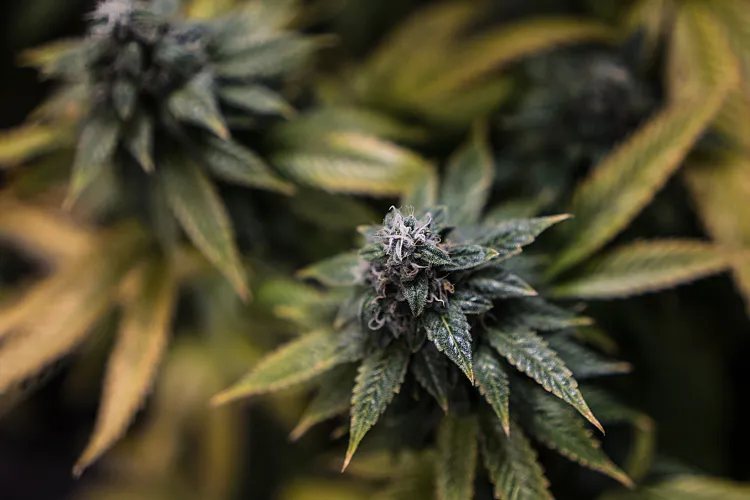
But terpenes are hardly unique to cannabis. If you’ve ever wondered why cannabis can smell like fresh fruit, Christmas trees, or even Diesel fuel, terpenes are the common denominator. They occur in countless natural flora, and even in some insects and animals! In fact, some botanists believe that terpenes are the single largest and most diverse group of natural products on the planet. For the purposes of this post, we’ll stick with the topic of cannabis-derived terpenes.
As we’ve hinted, terpenes do more than simply add enticing flavors and aromas to cannabis. Research suggests that terpenes work in partnership with cannabinoids in what’s termed the “ensemble” or “entourage effect” to produce specific therapeutic results. While still theoretical, a growing body of evidence supports the concept, and it may hold the key to future therapies based on cannabis-derived terpenes.
What Is a Cannabis Terpene? Meet the Top Five
There are a great many terpenes in cannabis (at least 150 of them)! Today, let’s begin with the five most common:
Myrcene
Just as THC is the most abundant cannabinoid in cannabis, myrcene is its most abundant terpene, meaning it is found in some concentration in the majority of strains. Characterized by a fruity and grapelike flavor, myrcene is gently sedative. What’s more, this terpene synergizes and helps potentiate the actions of other terpenes and cannabinoids, making it a crucial player in cannabis’ active ingredient ecosystem.
Myrcene-rich strains include: Skunk XL, White Widow, and Special Kush
Alpha-pinene and Beta-pinene
Known collectively as “pinene,” these related terpenes are identified by their distinctively piney aroma. You’ll also find this terpene in pine trees, orange peels, and herbs such as basil and rosemary. Studies suggest that pinene exerts a gentle anti-inflammatory effect, reducing inflammatory responses such as asthma.
Pinene-rich strains include: Strawberry Cough, Blue Dream and Dutch Treat
Caryophyllene
This spicy and peppery terpene is being investigated for its analgesic and anxiolytic effects. It also binds to our cells more readily than many other terpenes, making it a valued ingredient in some topicals and balms.

Caryophyllene-rich strains include: Super Silver Haze, OG Kush, and Rock Star
Limonene
Bright and cheerful-smelling, this citrus-scented terpene adds its uplifting effects to many cannabis strains. Clinical studies underscore its potential use to reduce stress and anxiety. And believe it or not, at least one study suggests limonene may have a role to play in fighting COVID-19.
Limonene-rich strains include: Sour Diesel, Durban Poison, and Jack Herer
Linalool
A main component in the classic “marijuana smell,” linalool may also help fight anxiety and depression. Research suggests this important, cannabis-derived terpene might also help reverse the cognitive impairment and memory loss associated with neurodegenerative disorders such as Alzheimer’s Disease.
Linalool-rich strains include: Amnesia Haze, Special Kush, and Lavender
Cannabis Derived Terpenes: Wrapping Up
We hope this introductory guide on cannabis terpenes has been helpful! Not just the flavor and aroma powerhouses of the cannabis plant, these compounds are showing therapeutic promise all their own and may be key to understanding how cannabis offers its multifaceted effects.
Do you have other questions about terpenes (or anything else in the world of cannabis)? Just ask! We’re here to help. You can always visit our dispensary to learn more about terpenes from our friendly and knowledgeable team, or peruse our online menu to see what we’ve currently got in stock. We look forward to serving you!
Weed Concentrates: Benefits & Effects
Cannabis concentrates have become some of the most popular items at our dispensary—and it’s no surprise why. Not only can they be aromatic and flavorful but the effects of cannabis concentrates are usually quite potent and hard-hitting, which many customers love.
What Are Cannabis Concentrates?
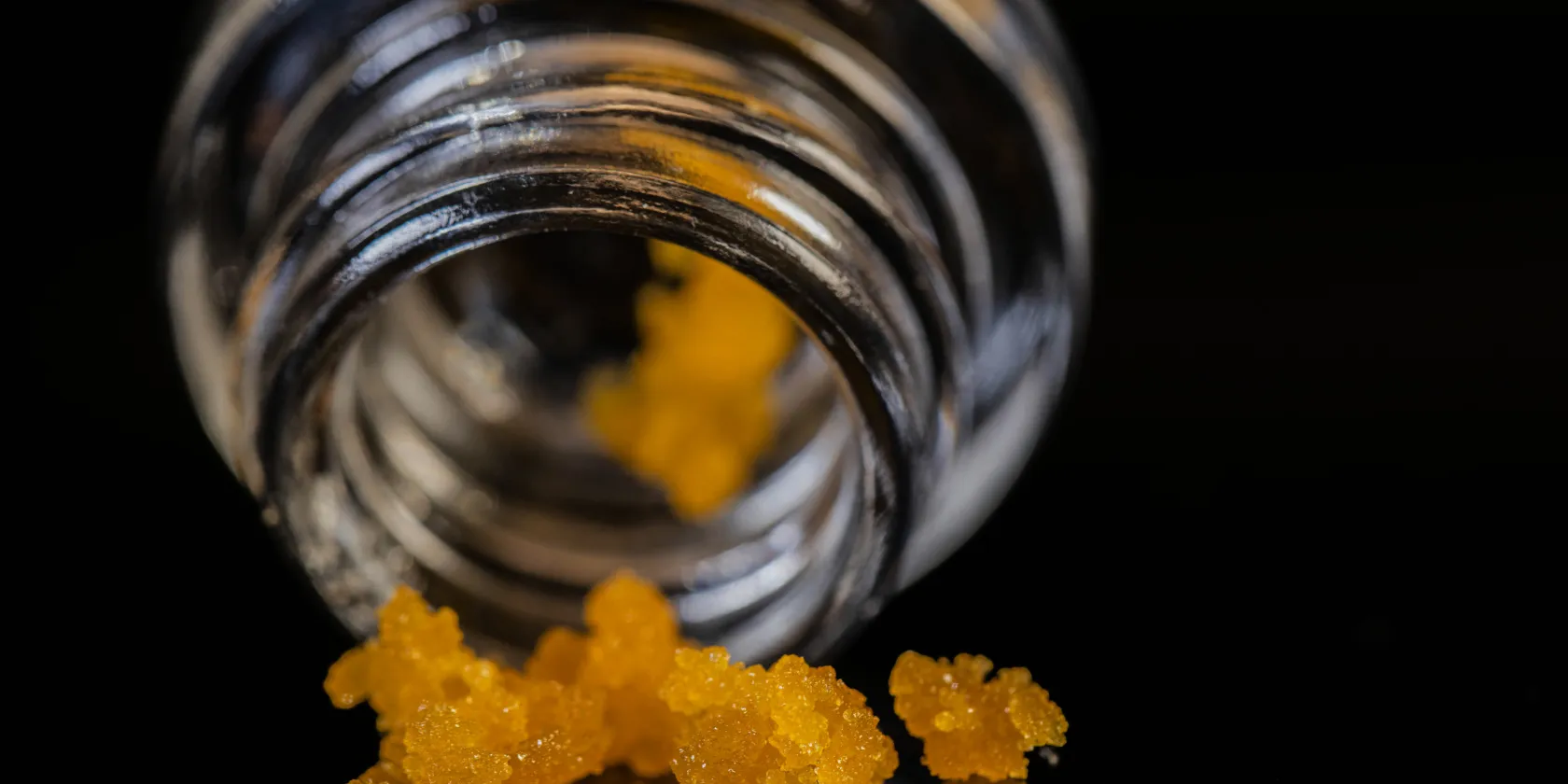
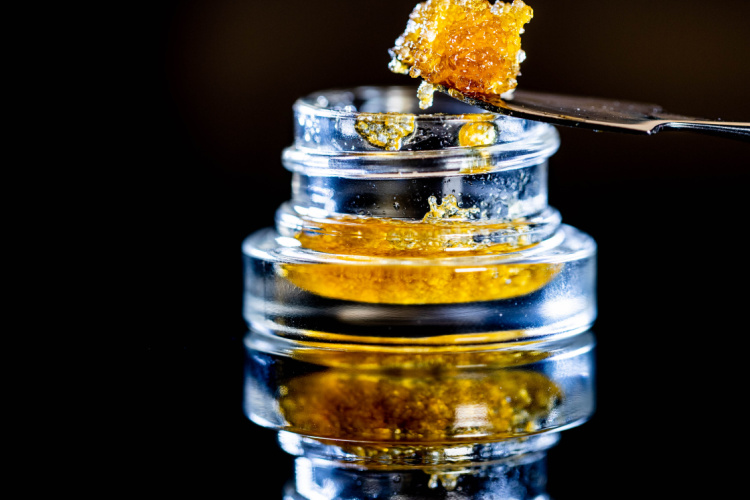
Concentrates are highly potent cannabis products that produce intense effects and bold flavors. Concentrates are primarily made by collecting the resinous trichomes of the cannabis plant. The benefits of cannabis concentrates are imparted thanks to the large volume of cannabinoids and terpenes gathered from these fresh, crystalline trichomes.
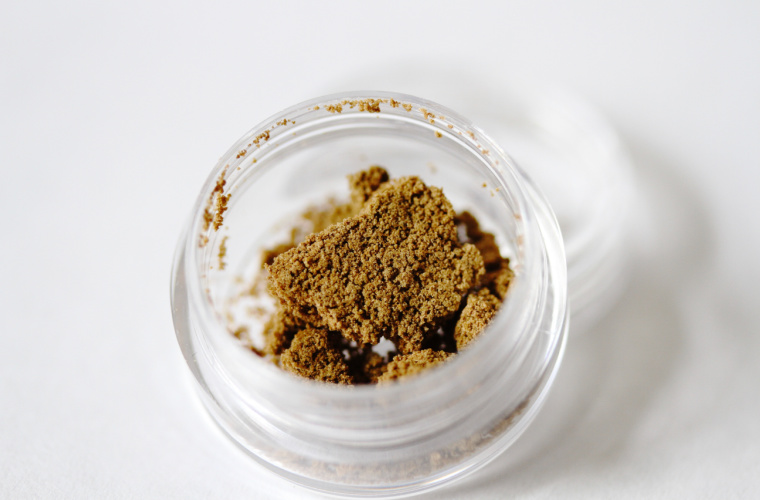
There are a few ways trichomes can be collected. For example, while rosin is made by using heat and pressure to squeeze that resin out, kief is made by simply shaking those trichomes loose with agitation and collecting the fine powdery residue they produce. More on types of concentrates later: Let’s start with the benefits of concentrates.
The Benefits and Effects of Cannabis Concentrates
Why use a cannabis concentrate? Most people who enjoy concentrates are looking for a strong and efficiently-delivered cannabis product. If a dab of shatter clocks in at 70% THC but some cannabis flower only possesses 20% THC, that means the one dab would produce over 3 times the effect through the same inhalation of smoke or vapor.
Additionally, thanks to a high terpene content, hits of concentrates can be delightfully flavorful and possibly more therapeutically effective, as a concentrate can contain a higher concentration of terpenes than a small bud of regular cannabis flower can.
While potency is a benefit of concentrates that can be particularly useful for patients who need high doses of THC to manage symptoms, it’s wise to exercise care with concentrates. With high potency also comes a higher chance that you inadvertently consume too much. If you’re new to concentrates start with very small doses and always give your body plenty of time to feel the full effects before consuming more—start low and go slow!
Different Types of Concentrates
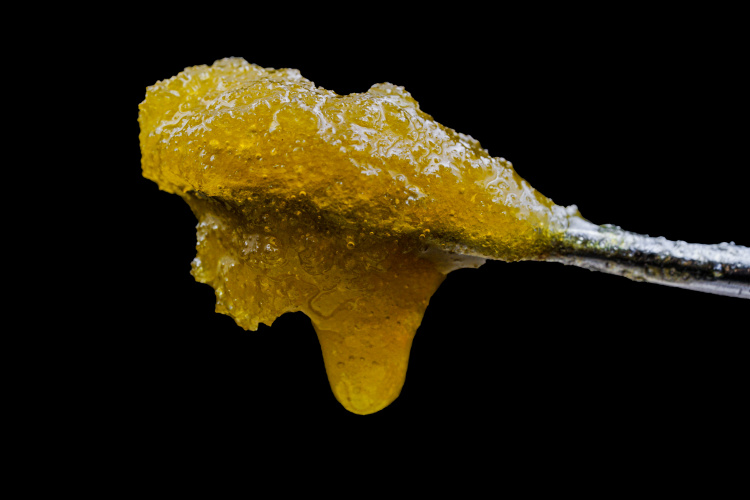
There are many different types of cannabis concentrates. A concentrate’s type is typically determined by the methodology with which it is made. Because of this, concentrates can vary in form and texture, even though they may contain similar levels of cannabinoids and terpenes. There is no “best cannabis concentrate” because which formulation you prefer can depend on your personal tastes.
Here are some of the many different types of concentrates that you may come across at our dispensary.
Kief: Kief is a powdery collection of cannabis trichomes that have been shaken loose from flower buds. You can even collect kief for bud yourself with a kief catcher. Kief is the least potent concentrate out there, usually clocking in at between 25%–35% THC.
Hash: Hash is the oldest concentrate on earth, having been smoked for many centuries. It’s made by collecting the loose trichomes that make up kief and squeezing them together into a solid block or chunk. Hash can also come in a loose form called ‘bubble hash’ or dry sift hash. Hash is usually more potent than kief but less potent than most other concentrates, typically coming in somewhere between 35%–55% THC.
Shatter: Shatter is a popular concentrate made using a BHO (butane) extraction process. It gets its name from its glass-like form, which is a thin sheet of solidified oil that shatters into many small pieces when handled. Shatter typically has a THC percentage landing between 50% and 80%.
Rosin: Rosin is a sticky and terpene heavy concentrate that packs in a lot of flavor. It’s made using a solventless extraction process and has become a favorite among health-conscious consumers looking for a solvent-free extract that features bold flavors. Rosin usually ranges from 60% to 70% THC.
RSO: RSO, also known as Rick Simpson Oil, is a thick and sticky cannabis oil that is rich in THC and has a reputation for potent medicinal properties. It’s got a syrupy and thick consistency and usually comes in a syringe from where it can be applied sublingually or transferred to other foods and liquids. While RSO is usually high in THC, it can also be CBD-dominant.
Distillate: Distillate is a concentrate made through a complicated distillation process that methodically separates THC from every other compound found in the source plant material. Because this extraction process is so successful at isolating THC, many distillate oils can reach incredible potency levels of roughly 99% THC.
 Cannabis Concentrates at Takoma Wellness
Ready to experience the potent effects of cannabis concentrates and benefits of cannabis concentrates for yourself? Our budtenders can help you find the cannabis concentrate that suits your individual needs and interests.
Come down to our dispensary today or (if you already have a concentrate type in mind) shop our online menu right now to choose from a wide selection of cannabis concentrates. We look forward to seeing you!
Cooking with Weed: A Complete Guide
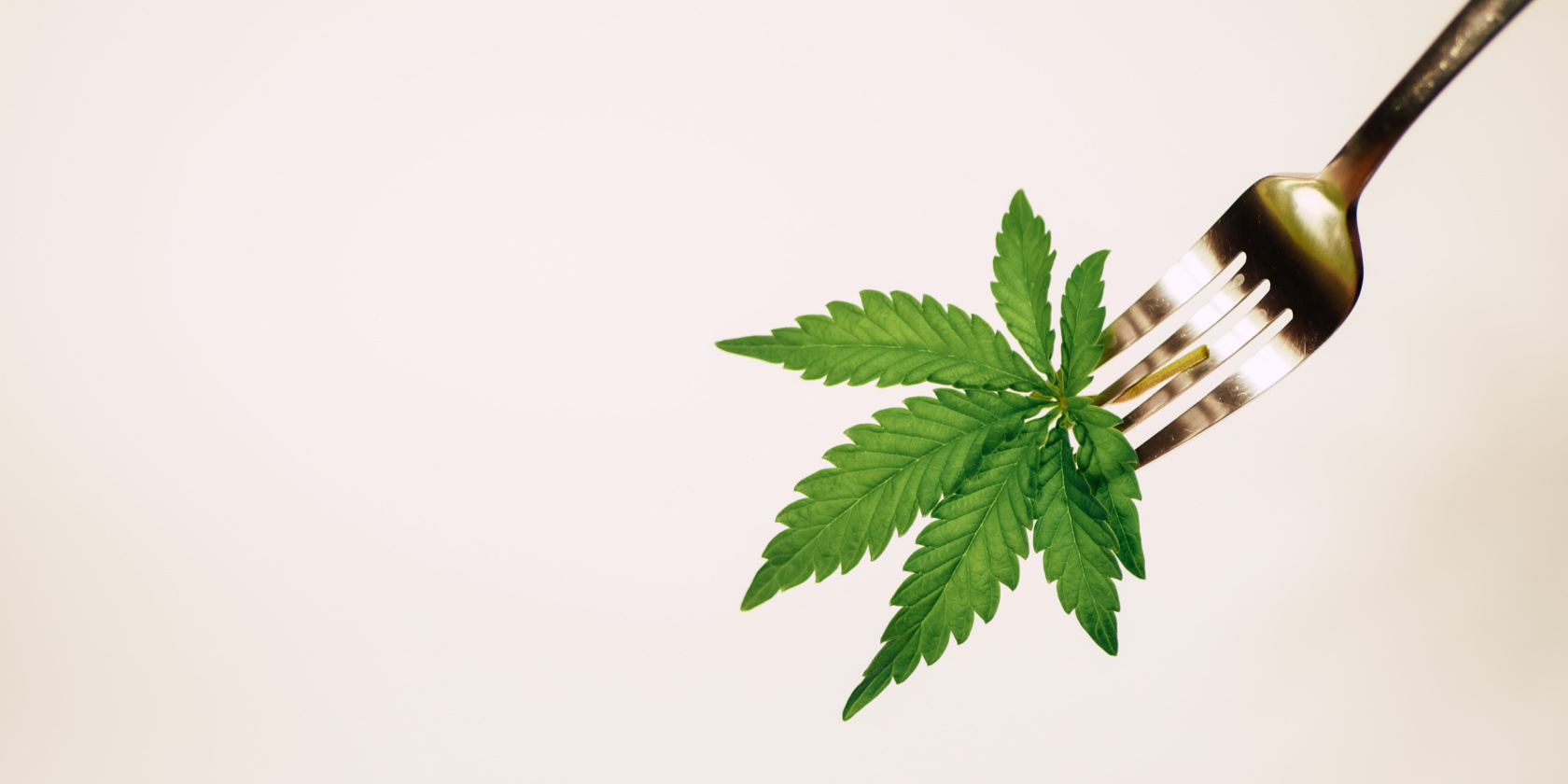
Have you ever wondered what cooking with cannabis would be like? Crafting your own infused delicacies and looking forward to that extra-rewarding first bite? Luckily, learning how to cook with cannabis isn’t extraordinarily difficult. In this post, we’re going to look at the basics of cannabis cooking and share two important recipes that will enable you to make many different cannabis-infused treats.
Cooking with Cannabis: The Basics
Cooking with cannabis is just like regular cooking. There’s just one difference: THC. While it would be great to just mash some cannabis flower into a brownie and call it a day, that’s unfortunately not an option.
That’s because cannabis flower doesn’t actually contain THC. Instead, the plant develops THCA. This chemical precursor turns into THC when exposed to heat through a process called decarboxylation. That usually happens when you spark up some flower for a puff. However, since there’s no flame involved with edibles, you’ll need a “decarb” workaround.
How to Decarboxylate Cannabis Flower
The term “decarboxylation” may look scary on paper. But its bark is worse than its bite.
All you need to do to decarb cannabis is heat-activate it. That’s a two-step process. First, grind your cannabis with an herb grinder. Then, put it on a cookie sheet covered in wax paper. Bake it at 245 Fahrenheit for about 30 minutes. Mix it every 10 minutes to make sure it cooks properly. When all your cannabis is a light golden brown, you’re ready to rock.
Cannabis Cooking: Two Important Recipes and Tips
Now that we have the basics of cannabis cooking under our belts, we can get down to the fun business: recipes. THC is a highly lipid-soluble molecule. In other words, it binds readily to fats. Butter and oil both contain tons of fats. These are the foundational ingredients for any cannabis-infused product.
Having a recipe on hand for both cannabutter and infused coconut oil will give you two solid options for a versatile cannabis ingredient with which to infuse recipes. Armed with cannabutter or cannaoil, you can start baking or cooking with cannabis using any normal recipe that calls for butter or oil.
Before you begin: Always label your infused products clearly, so no one accidentally uses a cannabis product. Keep out of the reach of children. Store cannabutter or canna oil in the fridge or freezer.
How to Cook with Cannabis: Cannabutter
Cannabutter is a classic medium for carrying THC. Countless recipes use normal butter, which you can substitute with cannabutter super easily. Here’s how to make it.
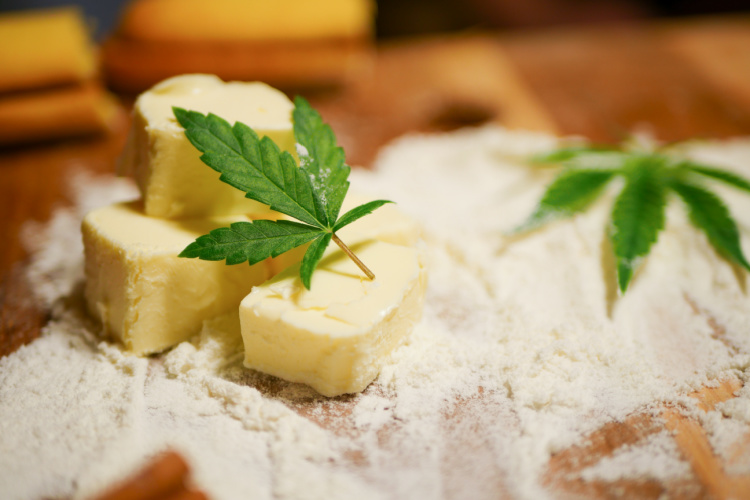
Ingredients:
- 7 grams decarboxylated flower
- 1 cup butter
- 1 cup water
Instructions for Making Cannabutter:
First, decarb your flower as outlined above. Once your flower is decarbed, you can begin the cannabutter-making process.
Combine butter and water in a saucepan on a low heat. Once the butter has begun melting, add your decarbed flower. Keep simmering at a low heat (about 170 Fahrenheit or so) for between 2 and 3 hours. Never let it boil fully!
Finally, let the butter cool slightly (but make sure it’s still in liquid form) and strain the cannabutter into a jar through a cheesecloth. Refrigerate until solid, then seal with a lid. If any water separates during solidification, you can discard that excess water.
How to Cook with Cannabis: Infused Coconut Oil
Sometimes, you don’t want to cook with butter. In that case, coconut oil makes a great substitute that readily absorbs THC and tastes great. Check out this recipe.
Ingredients:
- 7 grams decarboxylated flower
- 1 cup coconut oil
Instructions:
Place both the coconut oil and the flower into a high heat-rated Mason jar or similar (Find out how to assess your jar for safety.) Place the jar into a pot. Fill the pot with enough water until the water line is above the oil/flower mixture. Important: Start with room temperature water (not cold, as that could cause the glass to break), bringing it to a boil slowly.
Both the jar and the pot should remain uncovered for ventilation. Keep on a medium boil for 2 hours, monitoring closely. Keep an eye on the water level, since some of it will boil off. Add more water, as needed, to maintain the original water level in the pot.
Lastly, let the oil cool slightly (it still needs to be in liquid form but you don’t want it steaming hot), then strain the canna oil into another jar through a cheesecloth. Once cool, seal with a lid.
Cooking with Cannabis: Wrapping Up
Now that you know how to cook with cannabis, you need to start working on your own recipes! First things first, though. You’re going to need to stock up on some flower of your own. That’s where we come in. Check out our full selection of flower or come visit our dispensary to get cooking. We look forward to serving you!