Cannabis & Sleep: The Best Strains for Insomnia and Nightmares
In case you haven’t noticed, cannabis is all over the news these days. From new research suggesting medical cannabis may help fight pain and inflammation, ease anxiety, and control certain types of seizures, it seems there’s no end to potential uses for the cannabis plant. And this holds doubly true for one of the most prevalent health issues facing us today: Insomnia and related sleep disorders. Adding to a wealth of anecdotal accounts, a growing body of evidence suggests that using cannabis for sleep may be an effective and sustainable strategy.
Does cannabis help you sleep? If so, what are the best cannabis products for sleep? We’ll dig into these questions and others in today’s post. By the end, you’ll have a solid understanding on how to use cannabis for insomnia and other common sleep disorders.
Insomnia: An Introduction
Insomnia has several subtypes, but the simplest way to categorize the disorder is to define insomnia as: “inability to fall asleep and/or stay asleep.” In truth, insomnia is a complex group of sleep disorders. While many of us find the variations on the possible causes frustratingly familiar and difficult to differentiate, the reality remains: an estimated 70 million Americans suffer from insomnia or other sleep disorders at any given time, and insomnia can be notoriously difficult to treat.
If you or someone you love has ever suffered from insomnia, you’re probably familiar with the countless remedies currently available. Ranging from gentle homeopathic drops to powerful—and potentially risky—pharmaceuticals such as benzodiazepines, none can be said to be 100% safe and effective. But as we’ll see, the growing acceptance of medical cannabis is fueling hopes that it might prove to be an effective and sustainable solution. First, though, it’s useful to understand that cannabis isn’t a single medicine, but many medicines in one plant.

Cannabis for Sleep: What the Science Says
We tend to think of cannabis as a single drug, but the truth is a bit more complicated. The cannabis plant actually contains several-hundred compounds—including cannabinoids, terpenes, and flavonoids. As far as cannabis for insomnia goes, the two most important compounds to know are the cannabinoids THC and CBD.
THC is the compound most directly responsible for cannabis’ distinctive “high.” By comparison, CBD is mildly psychoactive, delivering at most a very gentle cerebral “buzz.” That’s why CBD on its own is legal in all 50 states and the District of Columbia. In addition to their subjective effects, both THC and CBD deliver a wide range of medical benefits, several of which we outlined earlier in this article.
To understand how cannabis may affect our sleep, it’s useful to keep those two cannabinoids in mind. While the federal prohibition of cannabis has hampered research into its use for insomnia, we do know that THC and CBD exert different effects on our sleep cycles.
For instance, one sleep study found that cannabis with a higher ratio of THC to CBD reduced the amount of test subjects’ rapid eye movement (REM) sleep. Why is this important? It turns out that REM is the sleep stage in which people experience dreams, and the theory is that by reducing dreams, sleepers spend more time in a restorative “deep sleep” state.
This also ties in to the issue of nightmares. In addition to being unpleasant and unsettling, nightmares are a major cause of sleep disruption. Just like other dreams, they occur during REM sleep. A reduction in REM sleep seems to correlate with fewer nightmares—a finding supported by a separate, small-scale sleep study.
Then there’s the subject of post-traumatic stress disorder, or PTSD. While the intersection between cannabis and PTSD is a wide-ranging topic in and of itself, research suggests that moderate cannabis use is by and large an effective response to PTSD-related sleep issues.
CBD for Sleep
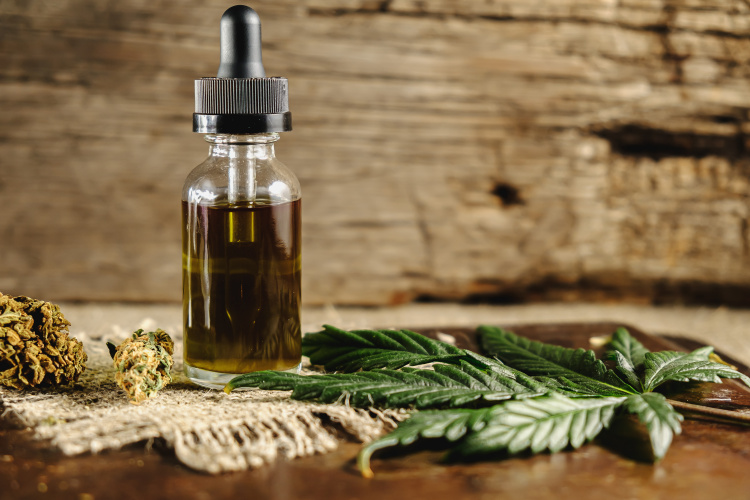
Thus far, we haven’t addressed the topic of CBD and sleep. However, we mustn’t miss the promising potential of this important compound. There’s some evidence that the “second cannabinoid” may be even more beneficial than THC for sleep. One study from 2017 found that CBD may hold promise for reducing REM-related sleep disorders and quelling excessive daytime sleepiness. A large-scale study from 2019 found that CBD helped reduce anxiety—a major factor in sleep disruption—and improved sleep scores in most of the test subjects.
Taken together, the research suggests that by carefully tailoring cannabis ratios for the physiologies and needs of individual patients, clinicians could usher in a new era of gentle, sustainable, and effective treatments for insomnia and other sleep disorders.
Given what we know about cannabis for insomnia, we can make some educated choices about specific cannabis products. And this local team—at the District of Columbia’s longest-running medical cannabis facility—has some suggestions.

Best Cannabis Products for Sleep: Specific Recommendations
Standard: Sleep, by Abatin Wellness
Specifically formulated to encourage deep and restful sleep without grogginess, this tincture contains a precise mixture of the cannabinoids THC, CBD, and CBN. They’re empowered by specific terpenes, the aromatic compounds in cannabis and other natural products, geared towards relaxation and rest.
Granddaddy Purple Cartridge, District Cannabis
This much-loved indica strain delivers a potent hit of cerebral dreaminess and full-body relaxation. Known for a strong “couch lock” effect, it’s just the thing to get you tucked into bed for a night of deep, restorative, and long-lasting sleep. This cartridge contains .5g of concentrate, and is designed to fit a standard 510-style vape pen.
Classic Cookies, Abatin Wellness
An alternate name for GSO—itself an alternate name for the trademark-protected “girl scout cookies”—this legendary strain is known for imparting a deep and long-lasting euphoria. Its legions of fans turn to it for reliable relaxation, a head-to-toe calming effect, and the lure of a restful night of sleep.
Pre-Roll 6-Pack: Gelato Cake, District Cannabis
Yet another strain with a fervent fanbase, this cross between Gelato and Wedding Cake comes in a beautiful handmade case of prerolls for your convenience. Packing a hefty dose of relaxing THC, Gelato Cake’s delicious flavor profile—think sweet crushed grapes and aged cognac—is primed to ease you into deep, stress- and pain-free sleep.
Best Cannabis Products for Sleep: Wrapping Up
Whether you’re comfortable with the psychoactivity of THC or prefer the gentler, stress-reducing effects of CBD, the best cannabis product for sleep that will suit you to a T is out there waiting for you. If you’d like more guidance, check with the team at Washington, DC ‘s longest-running medical cannabis dispensary for expert recommendations and a stellar lineup of cannabis products!


Understanding Weed Terpenes: A Foundational Guide
We’ve talked about a few of the most important compounds in cannabis before: cannabinoids such as THC and CBD that give the plant its medicinal and euphoric effects. But while we sometimes describe the cannabinoids as the major “active ingredients” in cannabis, they’re hardly the only piece of the puzzle. If you’re new to cannabis or looking to deepen your knowledge, it’s time to get familiar with cannabis terpenes.
A large family of aromatic oils, cannabis-derived terpenes are best known for giving different strains their distinct aromas and flavors. Behind the scenes, these compounds also lend powerful medicinal benefits to the cannabis plant’s already potent effects. Let’s dive in!
What Is a Cannabis Terpene? An Introduction
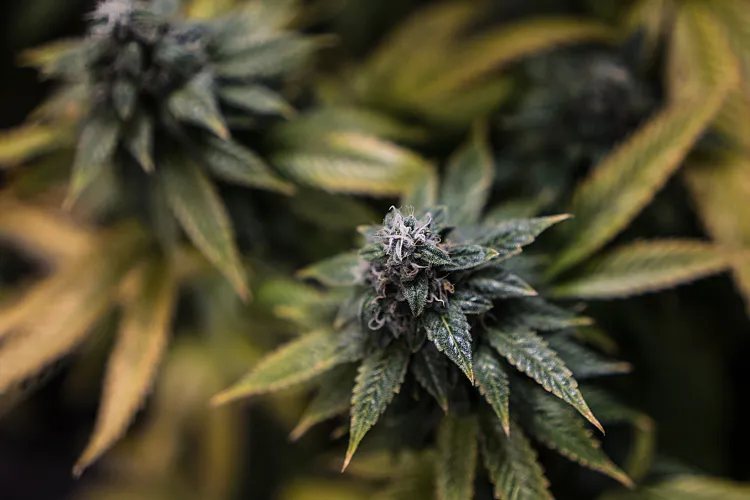
In scientific lingo, terpenes are aromatic hydrocarbons—what many of us might call “essential oils”—found in the cannabis plant. They’re produced and secreted by trichomes, the same tiny silvery glands that produce THC, CBD, and other cannabinoids.
But terpenes are hardly unique to cannabis. If you’ve ever wondered why cannabis can smell like fresh fruit, Christmas trees, or even Diesel fuel, terpenes are the common denominator. They occur in countless natural flora, and even in some insects and animals! In fact, some botanists believe that terpenes are the single largest and most diverse group of natural products on the planet. For the purposes of this post, we’ll stick with the topic of cannabis-derived terpenes.
As we’ve hinted, terpenes do more than simply add enticing flavors and aromas to cannabis. Research suggests that terpenes work in partnership with cannabinoids in what’s termed the “ensemble” or “entourage effect” to produce specific therapeutic results. While still theoretical, a growing body of evidence supports the concept, and it may hold the key to future therapies based on cannabis-derived terpenes.
What Is a Cannabis Terpene? Meet the Top Five
There are a great many terpenes in cannabis (at least 150 of them)! Today, let’s begin with the five most common:
Myrcene
Just as THC is the most abundant cannabinoid in cannabis, myrcene is its most abundant terpene, meaning it is found in some concentration in the majority of strains. Characterized by a fruity and grapelike flavor, myrcene is gently sedative. What’s more, this terpene synergizes and helps potentiate the actions of other terpenes and cannabinoids, making it a crucial player in cannabis’ active ingredient ecosystem.
Myrcene-rich strains include: Skunk XL, White Widow, and Special Kush
Alpha-pinene and Beta-pinene
Known collectively as “pinene,” these related terpenes are identified by their distinctively piney aroma. You’ll also find this terpene in pine trees, orange peels, and herbs such as basil and rosemary. Studies suggest that pinene exerts a gentle anti-inflammatory effect, reducing inflammatory responses such as asthma.
Pinene-rich strains include: Strawberry Cough, Blue Dream and Dutch Treat
Caryophyllene
This spicy and peppery terpene is being investigated for its analgesic and anxiolytic effects. It also binds to our cells more readily than many other terpenes, making it a valued ingredient in some topicals and balms.

Caryophyllene-rich strains include: Super Silver Haze, OG Kush, and Rock Star
Limonene
Bright and cheerful-smelling, this citrus-scented terpene adds its uplifting effects to many cannabis strains. Clinical studies underscore its potential use to reduce stress and anxiety. And believe it or not, at least one study suggests limonene may have a role to play in fighting COVID-19.
Limonene-rich strains include: Sour Diesel, Durban Poison, and Jack Herer
Linalool
A main component in the classic “marijuana smell,” linalool may also help fight anxiety and depression. Research suggests this important, cannabis-derived terpene might also help reverse the cognitive impairment and memory loss associated with neurodegenerative disorders such as Alzheimer’s Disease.
Linalool-rich strains include: Amnesia Haze, Special Kush, and Lavender
Cannabis Derived Terpenes: Wrapping Up
We hope this introductory guide on cannabis terpenes has been helpful! Not just the flavor and aroma powerhouses of the cannabis plant, these compounds are showing therapeutic promise all their own and may be key to understanding how cannabis offers its multifaceted effects.
Do you have other questions about terpenes (or anything else in the world of cannabis)? Just ask! We’re here to help. You can always visit our dispensary to learn more about terpenes from our friendly and knowledgeable team, or peruse our online menu to see what we’ve currently got in stock. We look forward to serving you!
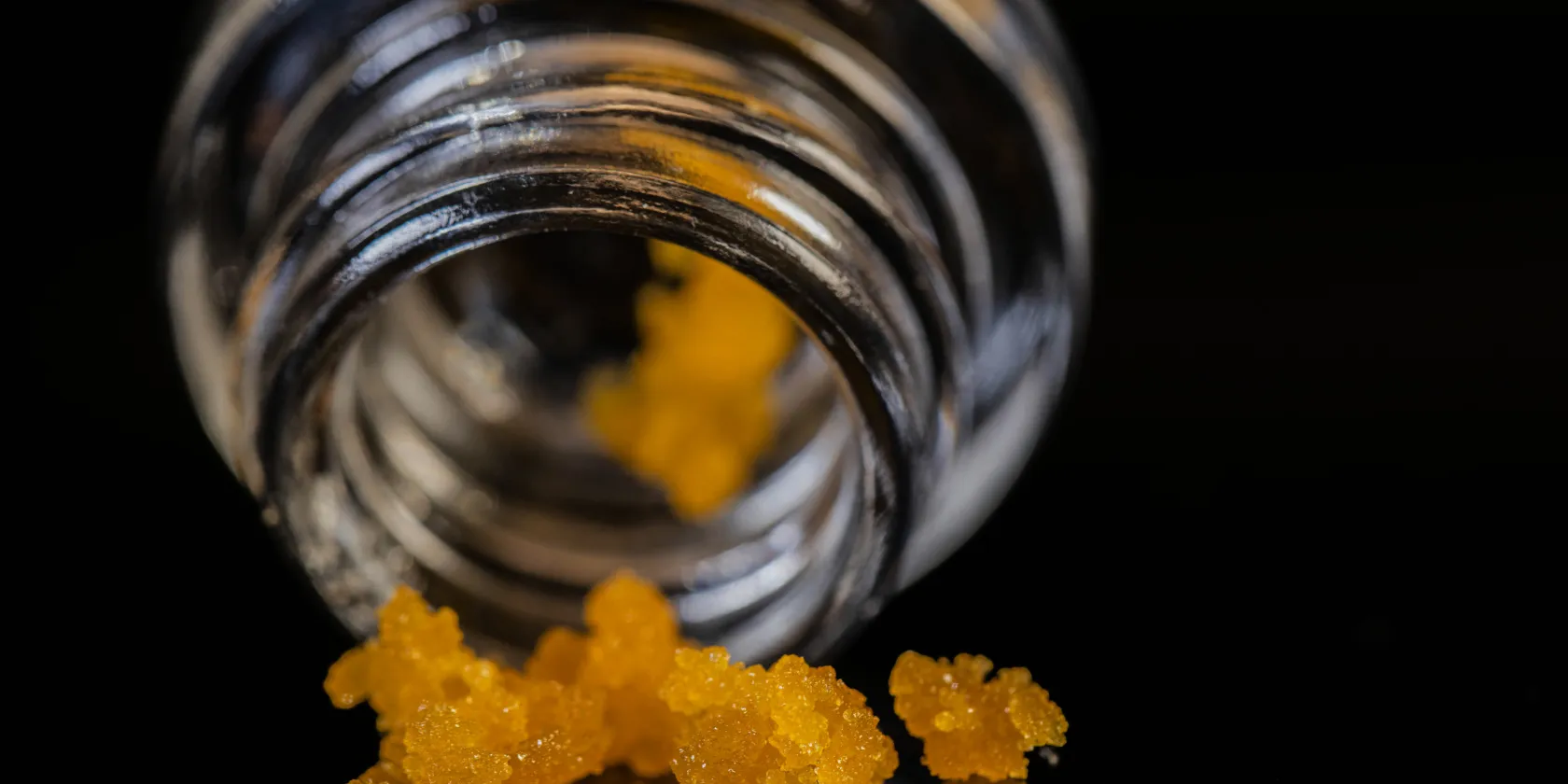
Weed Concentrates: Benefits & Effects
Cannabis concentrates have become some of the most popular items at our dispensary—and it’s no surprise why. Not only can they be aromatic and flavorful but the effects of cannabis concentrates are usually quite potent and hard-hitting, which many customers love.
What Are Cannabis Concentrates?
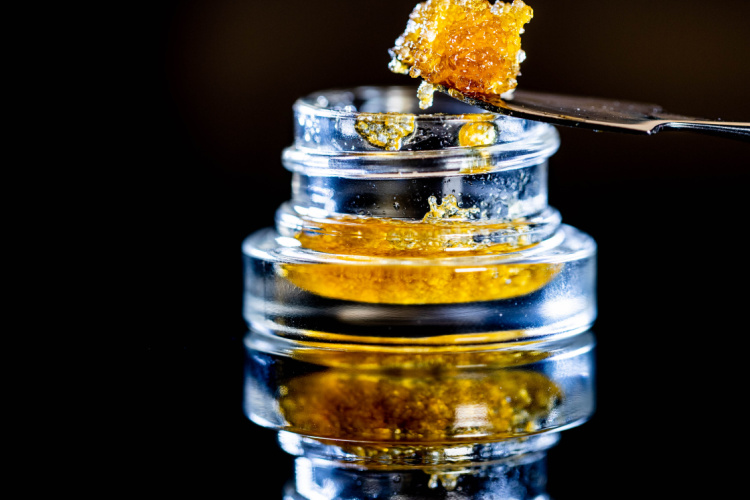
Concentrates are highly potent cannabis products that produce intense effects and bold flavors. Concentrates are primarily made by collecting the resinous trichomes of the cannabis plant. The benefits of cannabis concentrates are imparted thanks to the large volume of cannabinoids and terpenes gathered from these fresh, crystalline trichomes.
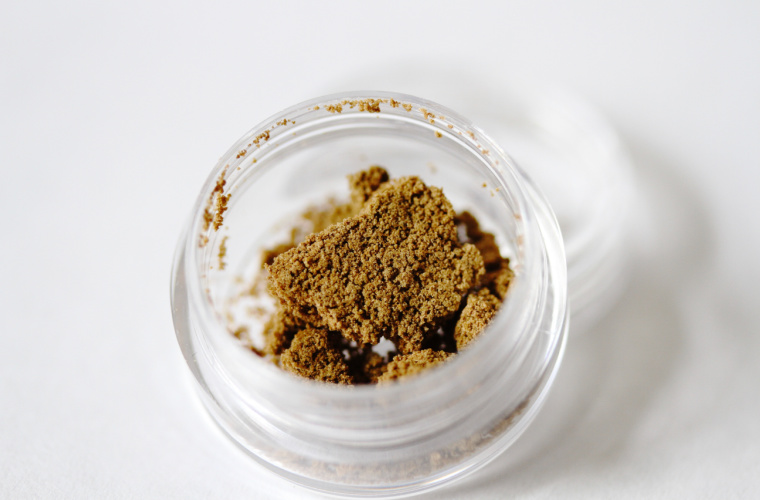
There are a few ways trichomes can be collected. For example, while rosin is made by using heat and pressure to squeeze that resin out, kief is made by simply shaking those trichomes loose with agitation and collecting the fine powdery residue they produce. More on types of concentrates later: Let’s start with the benefits of concentrates.
The Benefits and Effects of Cannabis Concentrates
Why use a cannabis concentrate? Most people who enjoy concentrates are looking for a strong and efficiently-delivered cannabis product. If a dab of shatter clocks in at 70% THC but some cannabis flower only possesses 20% THC, that means the one dab would produce over 3 times the effect through the same inhalation of smoke or vapor.
Additionally, thanks to a high terpene content, hits of concentrates can be delightfully flavorful and possibly more therapeutically effective, as a concentrate can contain a higher concentration of terpenes than a small bud of regular cannabis flower can.
While potency is a benefit of concentrates that can be particularly useful for patients who need high doses of THC to manage symptoms, it’s wise to exercise care with concentrates. With high potency also comes a higher chance that you inadvertently consume too much. If you’re new to concentrates start with very small doses and always give your body plenty of time to feel the full effects before consuming more—start low and go slow!
Different Types of Concentrates
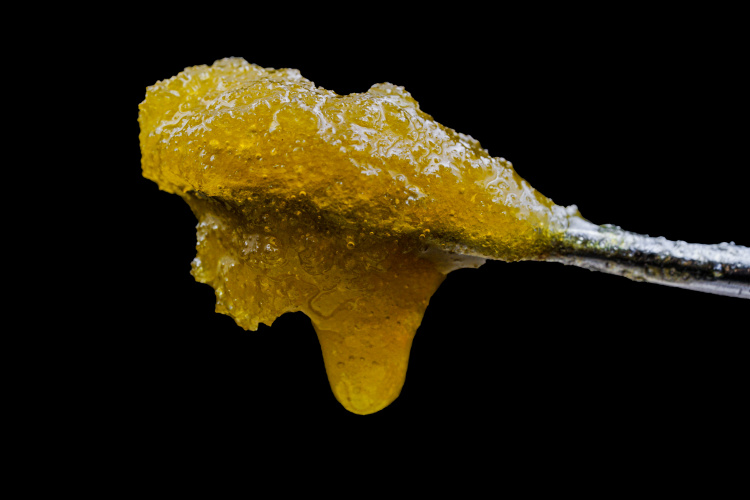
There are many different types of cannabis concentrates. A concentrate’s type is typically determined by the methodology with which it is made. Because of this, concentrates can vary in form and texture, even though they may contain similar levels of cannabinoids and terpenes. There is no “best cannabis concentrate” because which formulation you prefer can depend on your personal tastes.
Here are some of the many different types of concentrates that you may come across at our dispensary.
Kief: Kief is a powdery collection of cannabis trichomes that have been shaken loose from flower buds. You can even collect kief for bud yourself with a kief catcher. Kief is the least potent concentrate out there, usually clocking in at between 25%–35% THC.
Hash: Hash is the oldest concentrate on earth, having been smoked for many centuries. It’s made by collecting the loose trichomes that make up kief and squeezing them together into a solid block or chunk. Hash can also come in a loose form called ‘bubble hash’ or dry sift hash. Hash is usually more potent than kief but less potent than most other concentrates, typically coming in somewhere between 35%–55% THC.
Shatter: Shatter is a popular concentrate made using a BHO (butane) extraction process. It gets its name from its glass-like form, which is a thin sheet of solidified oil that shatters into many small pieces when handled. Shatter typically has a THC percentage landing between 50% and 80%.
Rosin: Rosin is a sticky and terpene heavy concentrate that packs in a lot of flavor. It’s made using a solventless extraction process and has become a favorite among health-conscious consumers looking for a solvent-free extract that features bold flavors. Rosin usually ranges from 60% to 70% THC.
RSO: RSO, also known as Rick Simpson Oil, is a thick and sticky cannabis oil that is rich in THC and has a reputation for potent medicinal properties. It’s got a syrupy and thick consistency and usually comes in a syringe from where it can be applied sublingually or transferred to other foods and liquids. While RSO is usually high in THC, it can also be CBD-dominant.
Distillate: Distillate is a concentrate made through a complicated distillation process that methodically separates THC from every other compound found in the source plant material. Because this extraction process is so successful at isolating THC, many distillate oils can reach incredible potency levels of roughly 99% THC.
 Cannabis Concentrates at Takoma Wellness
Ready to experience the potent effects of cannabis concentrates and benefits of cannabis concentrates for yourself? Our budtenders can help you find the cannabis concentrate that suits your individual needs and interests.
Come down to our dispensary today or (if you already have a concentrate type in mind) shop our online menu right now to choose from a wide selection of cannabis concentrates. We look forward to seeing you!
Cooking with Weed: A Complete Guide
Have you ever wondered what cooking with cannabis would be like? Crafting your own infused delicacies and looking forward to that extra-rewarding first bite? Luckily, learning how to cook with cannabis isn’t extraordinarily difficult. In this post, we’re going to look at the basics of cannabis cooking and share two important recipes that will enable you to make many different cannabis-infused treats.
Cooking with Cannabis: The Basics
Cooking with cannabis is just like regular cooking. There’s just one difference: THC. While it would be great to just mash some cannabis flower into a brownie and call it a day, that’s unfortunately not an option.
That’s because cannabis flower doesn’t actually contain THC. Instead, the plant develops THCA. This chemical precursor turns into THC when exposed to heat through a process called decarboxylation. That usually happens when you spark up some flower for a puff. However, since there’s no flame involved with edibles, you’ll need a “decarb” workaround.
How to Decarboxylate Cannabis Flower
The term “decarboxylation” may look scary on paper. But its bark is worse than its bite.
All you need to do to decarb cannabis is heat-activate it. That’s a two-step process. First, grind your cannabis with an herb grinder. Then, put it on a cookie sheet covered in wax paper. Bake it at 245 Fahrenheit for about 30 minutes. Mix it every 10 minutes to make sure it cooks properly. When all your cannabis is a light golden brown, you’re ready to rock.
Cannabis Cooking: Two Important Recipes and Tips
Now that we have the basics of cannabis cooking under our belts, we can get down to the fun business: recipes. THC is a highly lipid-soluble molecule. In other words, it binds readily to fats. Butter and oil both contain tons of fats. These are the foundational ingredients for any cannabis-infused product.
Having a recipe on hand for both cannabutter and infused coconut oil will give you two solid options for a versatile cannabis ingredient with which to infuse recipes. Armed with cannabutter or cannaoil, you can start baking or cooking with cannabis using any normal recipe that calls for butter or oil.
Before you begin: Always label your infused products clearly, so no one accidentally uses a cannabis product. Keep out of the reach of children. Store cannabutter or canna oil in the fridge or freezer.
How to Cook with Cannabis: Cannabutter
Cannabutter is a classic medium for carrying THC. Countless recipes use normal butter, which you can substitute with cannabutter super easily. Here’s how to make it.
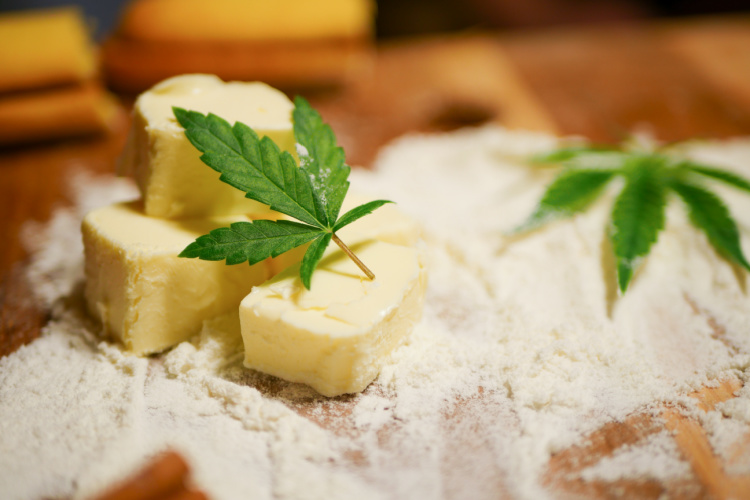
Ingredients:
- 7 grams decarboxylated flower
- 1 cup butter
- 1 cup water
Instructions for Making Cannabutter:
First, decarb your flower as outlined above. Once your flower is decarbed, you can begin the cannabutter-making process.
Combine butter and water in a saucepan on a low heat. Once the butter has begun melting, add your decarbed flower. Keep simmering at a low heat (about 170 Fahrenheit or so) for between 2 and 3 hours. Never let it boil fully!
Finally, let the butter cool slightly (but make sure it’s still in liquid form) and strain the cannabutter into a jar through a cheesecloth. Refrigerate until solid, then seal with a lid. If any water separates during solidification, you can discard that excess water.
How to Cook with Cannabis: Infused Coconut Oil
Sometimes, you don’t want to cook with butter. In that case, coconut oil makes a great substitute that readily absorbs THC and tastes great. Check out this recipe.
Ingredients:
- 7 grams decarboxylated flower
- 1 cup coconut oil
Instructions:
Place both the coconut oil and the flower into a high heat-rated Mason jar or similar (Find out how to assess your jar for safety.) Place the jar into a pot. Fill the pot with enough water until the water line is above the oil/flower mixture. Important: Start with room temperature water (not cold, as that could cause the glass to break), bringing it to a boil slowly.
Both the jar and the pot should remain uncovered for ventilation. Keep on a medium boil for 2 hours, monitoring closely. Keep an eye on the water level, since some of it will boil off. Add more water, as needed, to maintain the original water level in the pot.
Lastly, let the oil cool slightly (it still needs to be in liquid form but you don’t want it steaming hot), then strain the canna oil into another jar through a cheesecloth. Once cool, seal with a lid.
Cooking with Cannabis: Wrapping Up
Now that you know how to cook with cannabis, you need to start working on your own recipes! First things first, though. You’re going to need to stock up on some flower of your own. That’s where we come in. Check out our full selection of flower or come visit our dispensary to get cooking. We look forward to serving you!
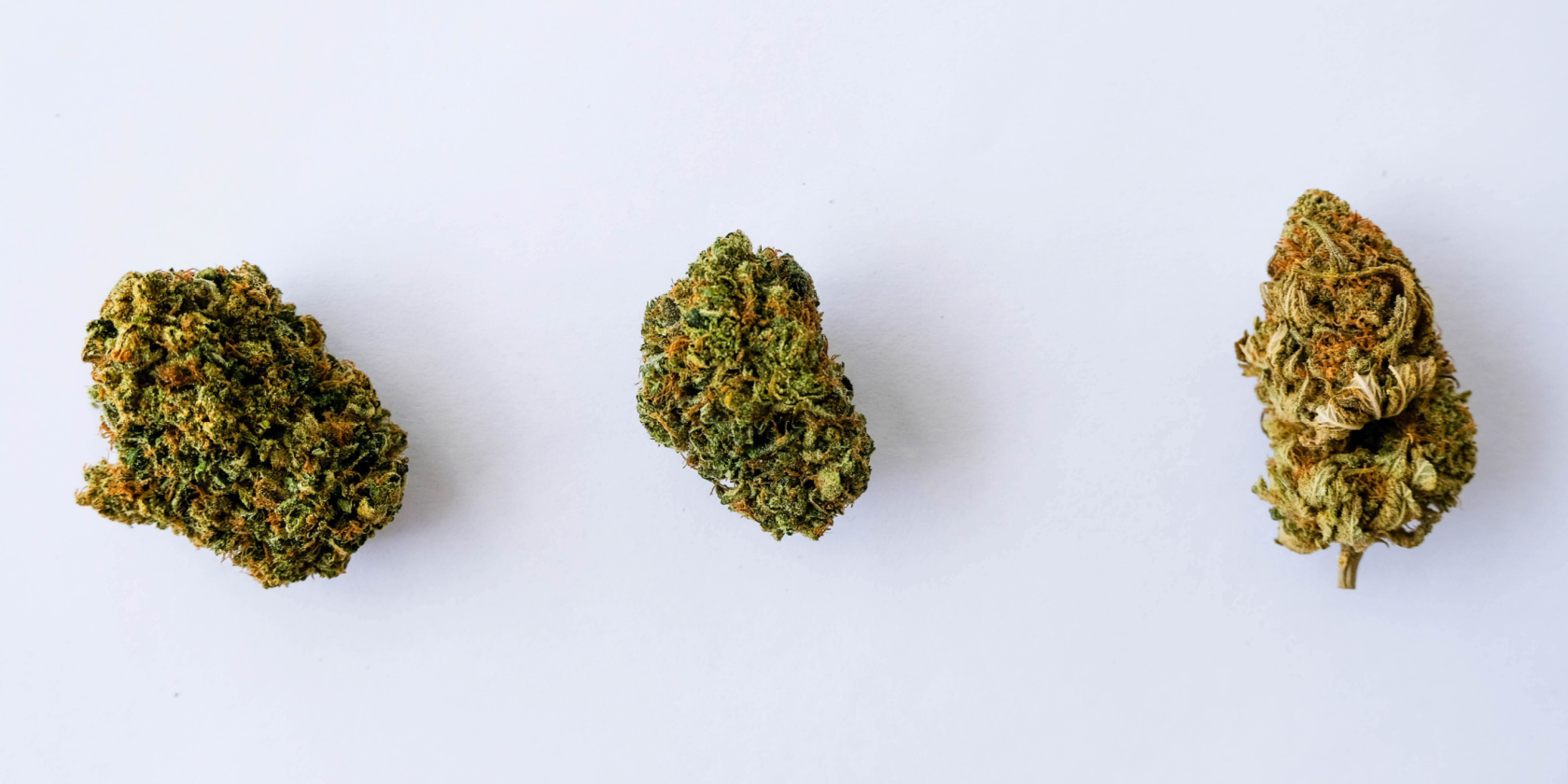
Hash History: A Study of Top Marijuana Strains at Takoma Wellness
There are history buffs in nearly every topic of interest—and one topic that’s been drawing a lot of attention recently is cannabis history. Cannabis buffs look at the study of marijuana strains and their origins in the same way other amateur historians look at airplanes or boats. If you’re one of these people, rejoice! We’re going to take a deep dive on the history of three top marijuana strains in this post.
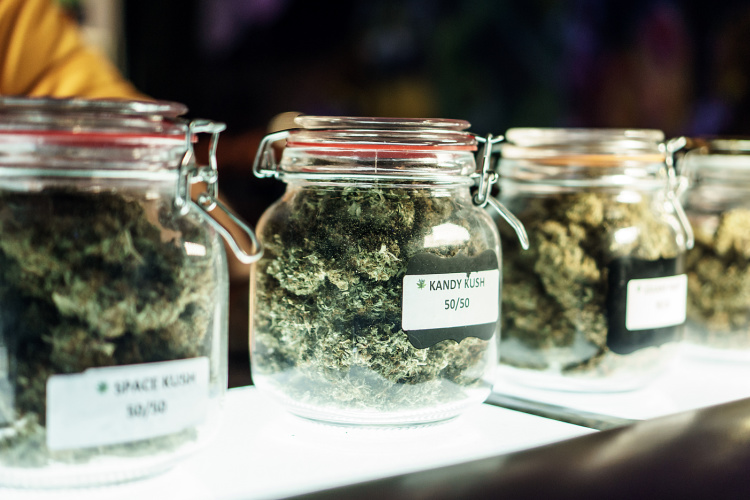
Let’s Study Marijuana: Top Strains at Takoma Wellness Center and Their Origins
While we were tempted to only look at old-school strains, we decided against it: That would be like only covering ancient history. We’ve put together a survey of classic and more modern genetics for this history lesson. Check out our breakdown of Blue Dream, OG Kush, and Do-Si-Do below.
Blue Dream
We’re going to kick things off with one of the biggest strains of all time: Blue Dream. This sativa-dominant strain was all the rage in the late 2000s and early 2010s. But its story starts before that.
Blue Dream traces its origins to California in 2003. It was created by crossing the legendary cannabis breeder DJ Short’s Blueberry strain with the equally renowned strain Super Silver Haze. While no one’s sure exactly who bred the first Blue Dream plant, some believe it originated in the Santa Cruz area.
Like its parent Blueberry, Blue Dream has a sweet, juicy flavor. One of the things that cannabis lovers found so attractive about Blue Dream was its euphoric and cerebral effects. That makes it a great daytime strain, in contrast to couch-locking indicas. Blue Dream often features a THC content that hovers around 20%, and it has little CBD to speak of.
Check out our menu to experience Blue Dream for yourself.
Classic OG Kush
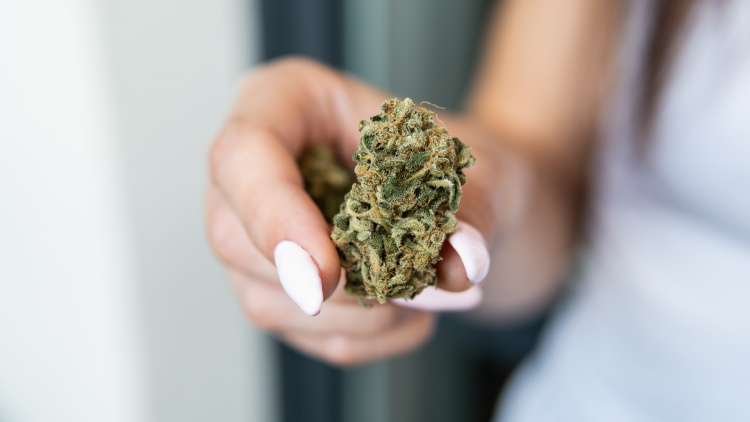
If someone asked you to think of the biggest strains of all time, chances are OG Kush is one of the names you’d come up with. OG Kush is a hybrid that offers both relaxing and uplifting effects. It usually has a fairly high THC content, regularly clocking in above 20 percent.
And who could forget the flavor and aroma? OG Kush seamlessly blends the spicy incense-like fragrance of Kush plants with the distinctive scent of dirt that typifies OG strains. Sparking it up is often reminiscent of walking through freshly plowed earth.
OG Kush’s real genetics are shrouded in mystery. Despite its seemingly obvious nod to rap, we don’t even know what “OG” really stands for! Some insist it means “Original Gangster.” Still others point to the term “Ocean Grown” in a reference to coastal California. However, experts generally accept that Chemdawg is involved, and crossed with either a Thai or Hindu Kush plant.
Want to learn more? Find Classic OG Kush at our dispensary.
Do-Si-Do
So far, we’ve really only looked at old-school strains in our deep dive into the origins of top marijuana strains. But we’re going to change that and spark up something a little more modern: Do-Si-Do.
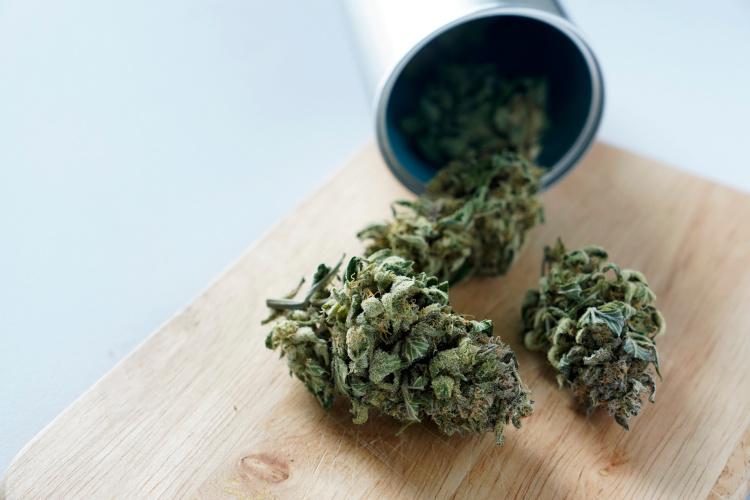
If you’re familiar with modern cannabis genetics, you’ve probably heard of Do-Si-Do. It’s a cross between Girl Scout Cookies and Face Off OG. First hitting the scene in 2016, this strain quickly grew in popularity and was named Leafly’s “Strain of the Year” for 2021.
What really makes Do-Si-Do stand out is its high THC concentration. It often reaches a percentage in the high 20% range, sometimes even surpassing 30%. Its flavor hits you in the face, too, and definitely has notes of that classic OG taste we mentioned earlier.
Do-Si-Do is the kind of strain you need to try to believe, and with a strain this high in THC we always recommend the old adage for consumption: start low and go slow. You can browse the Do-Si-Do products we have in stock on our online menu.
The History of Marijuana Strains from Takoma Wellness Center
Hopefully you’ve enjoyed our cursory study of some classic marijuana strains. If you’re looking for other legendary genetics, check out our complete menu!
Questions? Comments? Please reach out, we’re happy to help. We look forward to serving you!
Zurple Punch Weed Strain: A Complete Guide
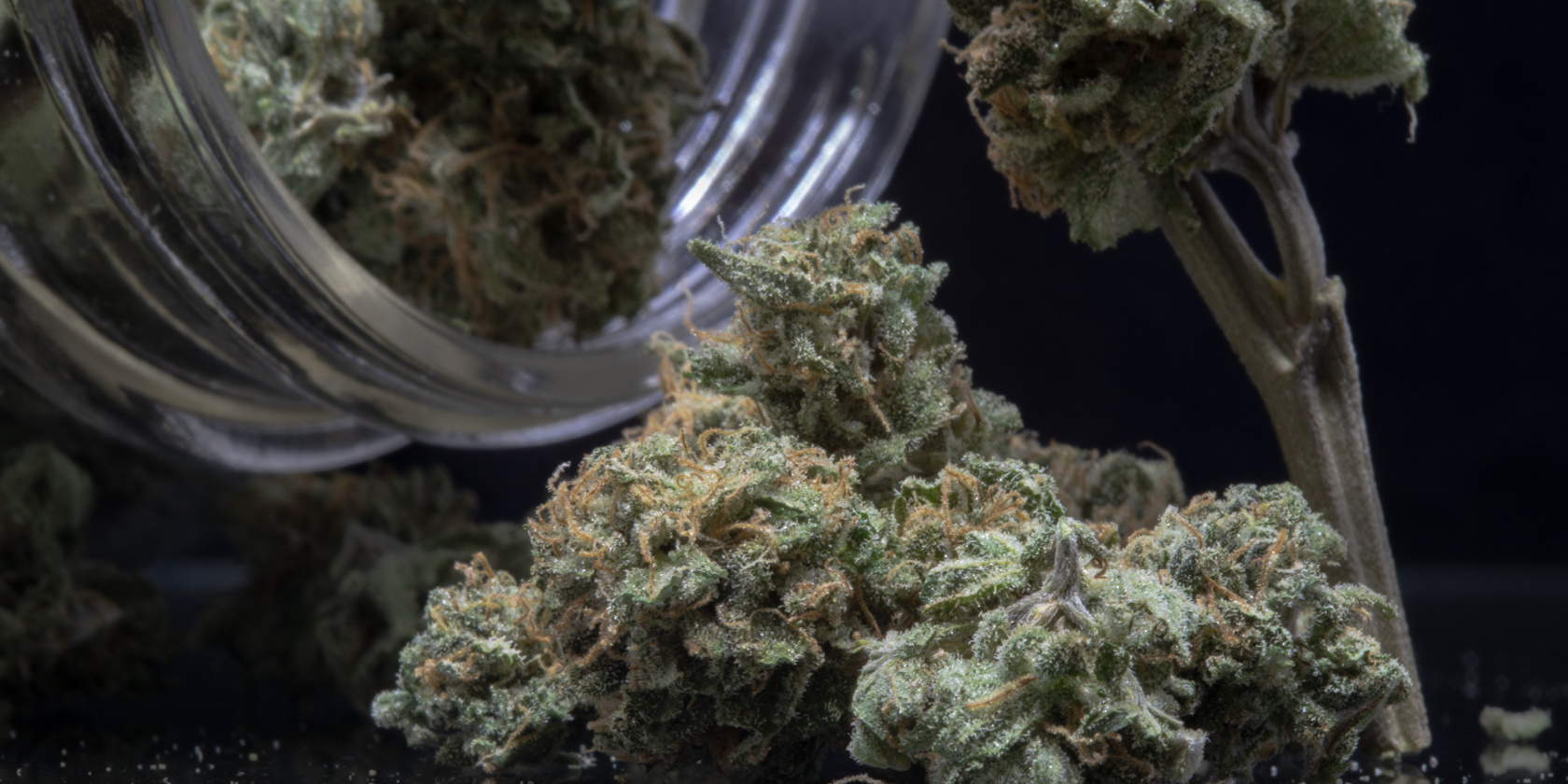
Are you the kind of cannabis enthusiast who’s always searching for the next hot strain? If you are, look no further than Zurple Punch. Zurple Punch is a cannabis strain that will soon carve a name for itself in the annals of the weed world. With great flavor and pleasant middle-of-the-road effects you’re not going to want to sleep on it.
Marijuana Reviews: Zurple Punch Weed Strain
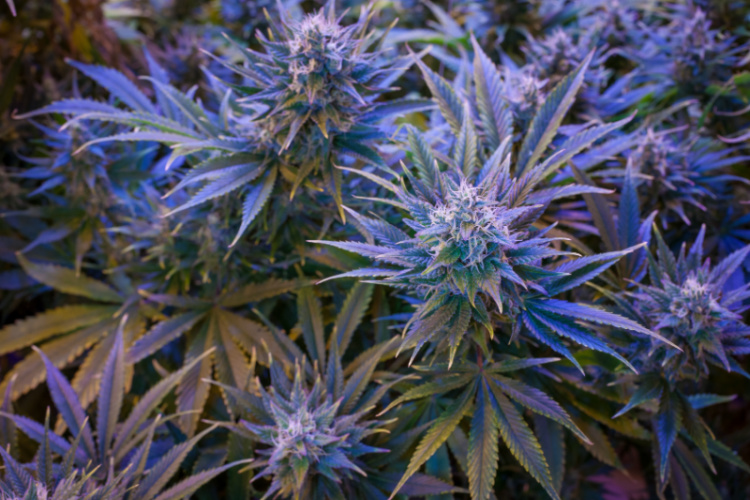
Zurple Punch is a fairly rare cannabis strain. It’s also fairly new, which may contribute to that—some people just haven’t caught on yet. That gives savvy cannabis lovers the opportunity to get in on the ground floor with this impressive strain. If you’re the kind of person who chases rare genetics, the strain is not to be missed.
Zurple Punch: Genetics and Effects
This strain’s unique name comes from its parents. Zurple Punch is a cross of Zkittles (a hugely popular strain over the last few years) with Purple Punch (an older, but still popular strain). That lineage gives Zurple Punch a fairly balanced hybrid genetic profile.
That genetic profile plays a large role in determining the effects of this strain. Users report that it helps to spark creativity and sociability. It also may heighten the sensitivity of certain senses. Additionally, some fans of the strain say that it helps them relax and chill out.
Zurple Punch often tests between 20% and 23% THC, putting it in the “middle of the road” category of weed strains. It’s not so strong that it’s overwhelming for those new to cannabis, but its effects are powerful enough to please even the most experienced cannabis enthusiast.
THC isn’t the only thing that determines the effects of Zurple Punch, though. It also contains nearly 1% CBD. While that may not sound like much, many strains contain even less CBD. That means Zurple Punch actually has a decent amount of CBD.
Terpene Profile: Flavor and Aroma
It has a unique flavor and fragrance that cannabis connoisseurs won’t find in many other strains. It combines notes of blue cheese and sweet berries with some distinctively nutty tones. Additionally, a faint lavender fragrance permeates this strain.
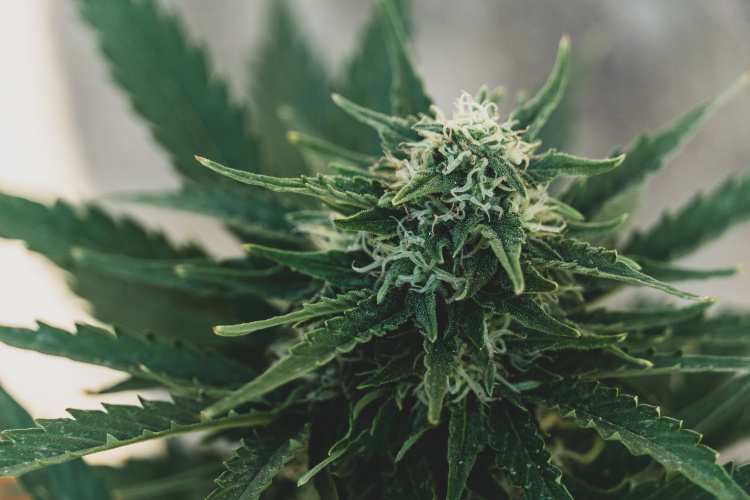
You can thank its terpene profile for that. Terpenoline influences Zurple Punch’s fragrance and tastes the most with its floral funk, along with some help from:
- Caryophyllene: Caryophyllene is the only terpene that’s also a cannabinoid, which puts it in a unique position. It has a sharp, spicy taste, and you can find it commonly in black pepper. According to some research, it may be effective at reducing swelling.
- Pinene: The most common terpene in nature, Pinene, has a fresh and uplifting scent that you may associate with evergreen trees.
- Limonene: Limonene contains the very essence of citrus flavor. You can find this zesty, upbeat terpene n in (you guessed it) citrus plants and their fruits. Some research suggests this terpene may have anti-inflammatory, anti-oxidant, and gastroprotective properties, among others.
Zurple Punch Strain Takeaways
All in all, this is a strain on the precipice of greatness and certainly a strain worth seeking out. Stop by Takoma Wellness Center, call or browse our online menu to see what products we’re currently carrying.
Questions? Comments? Please feel free to reach out: We’re always here to help. And we look forward to serving you!
Vaping CBD: A Gentler Way to Access this Crucial Cannabinoid
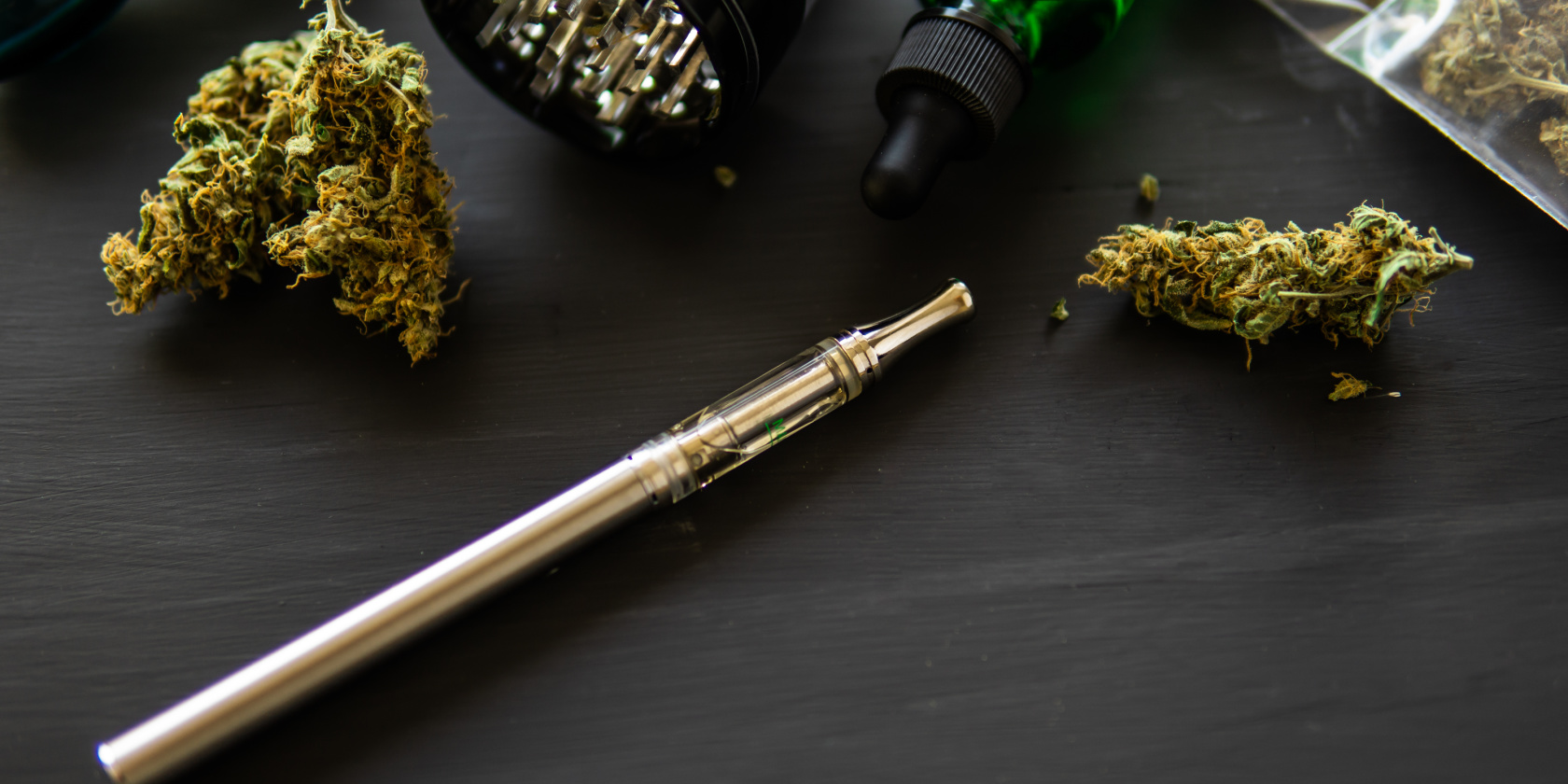
If you’re new to the world of cannabis or returning after a break, you’re probably intrigued by the high-tech devices known as vaporizers or “vapes.” Whether they’re the sleek pen-style devices or more full-featured units, they all work on the same basic principle: That by heating cannabis to the point at which its beneficial cannabinoids become volatile, they deliver a cool and potent mist without any potentially harsh smoke or burnt plant matter.
This raises a question: Can you vape CBD? Absolutely! In fact, high-CBD vape pens are among the most popular items at our D.C. dispensary. And if you’re new to the world of CBD vaporizers and vaping CBD oil, you’re in for a treat. Because they work electronically to emit a cool-mist rather than potentially harsh smoke, vapes go easy on our lungs while delivering the same fast-acting benefits as smoked cannabis.
As revolutionary as these devices are, they promise an even greater reward. CBD vaporizers are one of the most popular and fastest-growing segments of the cannabis market, and it’s no surprise why. CBD vapor benefits include the potential to relieve:
- Chronic pain and inflammation
- Anxiety and stress
- Insomnia and sleeplessness
If you’ve been wondering how to access all the potential benefits of vaping CBD oil, you’ve come to the right place! In today’s article, we’ll share everything we know, including specific recommendations for CBD vaping products.
Vaping CBD: How CBD Partners with the Body
As one of the two principal cannabinoids—or “major active ingredients”—in cannabis, CBD has been linked to a number of potential health benefits. In addition to helping treat certain seizures, CBD shows promise in reducing anxiety and stress, addressing chronic pain, even helping us get a better night’s sleep.
Of course, THC—the most abundant cannabinoid, and the one most directly responsible for the marijuana plant’s characteristic “high”—is also linked to a number of potential health benefits in its own right. However, there’s a very major difference. Unlike THC’s intoxication, CBD’s psychoactive effects are not intoxicating, At most, some people report feeling a gentle cerebral “buzz.” This makes CBD-only or high-CBD vaporizers a great choice for those looking for symptomatic relief without potentially distracting psychoactivity.
Both CBD and THC work with the body through the endocannabinoid system (ECS), a vital regulatory network that helps our bodies stay healthy, regulate memory and sleep, and maintain homeostasis, among other functions. In a very real sense, the cannabinoids are “speaking the same language” as this important bodily system. Some researchers believe this is a crucial point when it comes to understanding the wide range of potential benefits associated with CBD, THC, and other cannabinoids.
Potential CBD Vape Benefits
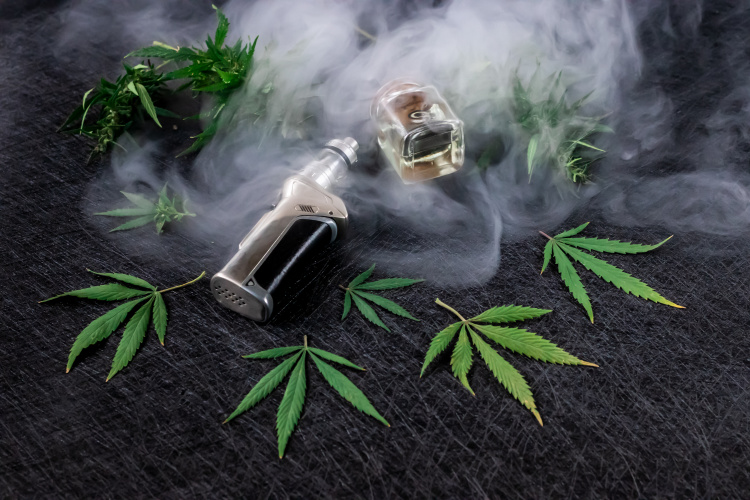
As we referenced a moment ago, the key distinguishing point about all vaporizers is that they heat (rather than burn) cannabis. Whether the cannabis in question is flower, concentrate, distillate or some other format, the principle is the same: By heating the material to the point at which the cannabinoids, terpenes, and other compounds become volatile, vapes deliver all the medicinal benefits and none of the smoke.
This begs a question: Is smoking cannabis bad for your lungs? While there’s not a consensus, the majority opinion is that it’s objectively less harmful than smoking tobacco. That said, smoking anything—including cannabis flower—still brings potentially irritating smoke into our lungs. And if you’re focused on leveraging the benefits of cannabinoids such as CBD, it’s a good idea to reduce any potential irritants from entering your airways.
Some of our customers are concerned that the experience of vaping CBD is less powerful than smoking it. That’s a contentious question. While some users claim that smoking cannabis delivers a more intense high, remember here that the point of vaping CBD isn’t to experience maximum intoxication. And in fact, compared with inhaling smoked cannabis, the bioavailability (or medical activity of the cannabinoids) is actually higher when using a vape. For this reason and others, we still recommend that those primarily interested in the medicinal effects of CBD try vaping as a smoother, less potentially irritating alternative to smoking.
By now we’ve covered many of the potential benefits of vaping CBD. Now we’ll segue into a discussion of a few products designed to deliver this medically active compound.
Vaping CBD: What to Look For in a Vaporizer
There are several options when looking to purchase a vaporizer, since you can vaporize the active ingredients in cannabis from flower directly or from cannabis concentrates.
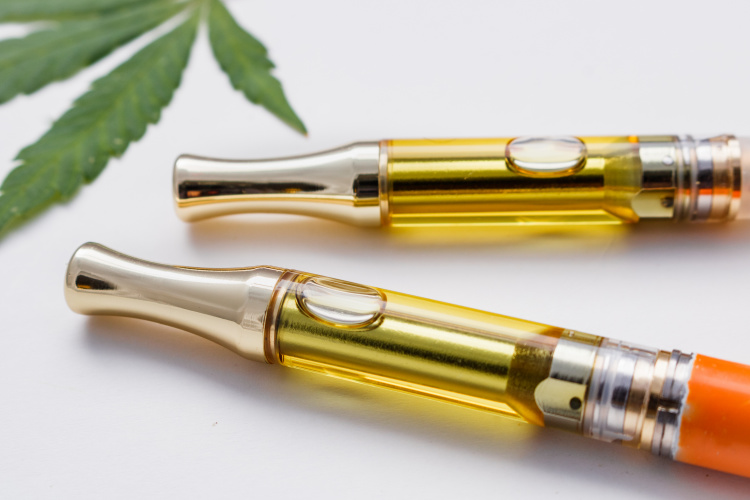
The popular 510 threaded vape pen batteries accept cartridges from many different brands and producers, so you can use the same battery with any number of oil-filled cartridges—including those that contain higher levels of THC should you want to try that route at some point.
There are also vaporizing units, both handheld and tabletop, made specifically for vaporizing cannabis flower only. But of course, vaping CBD from a vaporizer capable of working with flower demands, well, flower. Because a growing number of our customers have expressed interest in high-CBD strains of flower, we make sure to always have at least a couple on hand. You can see what’s fresh and new by checking our selection of high-CBD, low-THC flower strains.
Or, you might choose a handheld or tabletop unit designed to vaporize potent cannabis concentrates. Lastly, there are units that can vaporize both flower and concentrates, and these units often come with different attachments for each.
Regardless of which option you choose, you can expect the same fast-acting effects as with smoked cannabis, only delivered in a delightfully gentle and cool mist.
CBD Vaping: Final Thoughts
With the cannabis market expanding on a constant basis, it’s truly exciting to see the high-CBD products that are constantly hitting our dispensary shelves. From high-CBD flower to CBD-infused edibles to CBD-rich tinctures and oils, there’s seemingly no limit other than the skill and imagination of local cultivators, processors, and manufacturers.
If you’re interested in learning more about how CBD works with your body to deliver specific benefits, we’d love to help! As Washington’s #1 family-run medical marijuana dispensary, we’re dedicated to helping you get the very most from your cannabis experience. Have any other questions about vaping CBD (or any other questions in the wide world of cannabis)? Just ask! We’re always here to help.
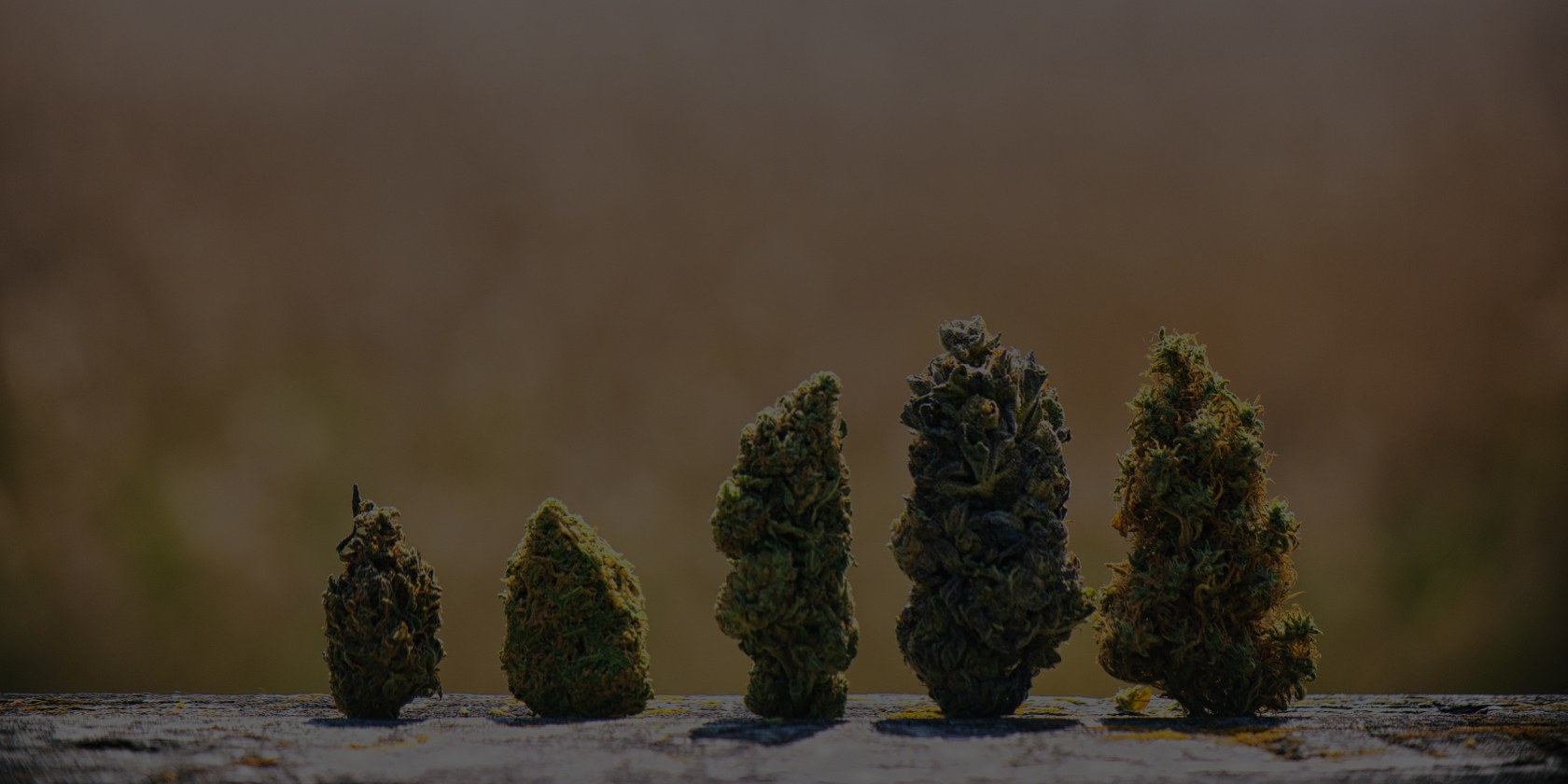
Heavy Hitters: What Are The Strongest Weed Strains?
You don’t have to know much about cannabis to have heard about THC, its main active ingredient. It’s most responsible for the plant’s iconic effects, including deep relaxation, euphoria and an increase in appetite, and is a major indicator of its strength. But that’s only one piece of the puzzle. The way you feel from different strains of cannabis can also be attributed to its unique chemical makeup and how it was grown.
With so many new strains hitting the market every day, it’s becoming more difficult to track precisely who holds the current record for the highest THC flower. At Takoma Wellness, we’re proud to support our local DC growers, and are fortunate to have a wide selection of potent, craft-grown strains to choose from. Keep reading to understand just what makes any particular strain potent, along with a curated list of DC’s highest THC strains. Ready? Let’s get rolling!
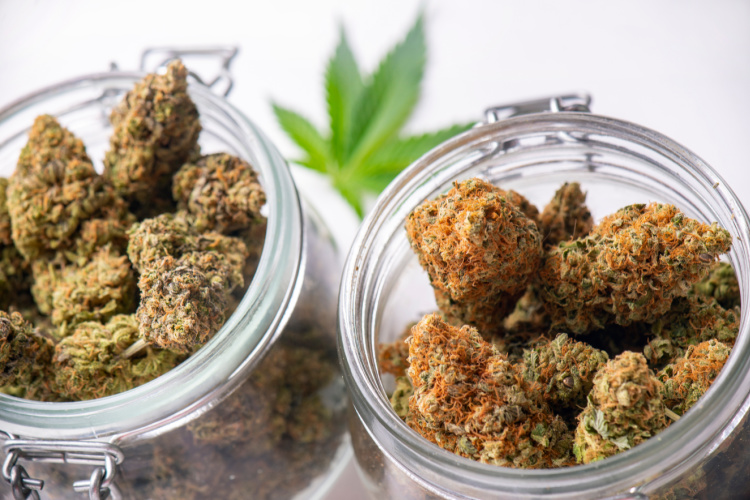
How Cannabinoids and Terpenes Affect Potency
Though the best strains of weed usually have the highest THC percentages, these numbers don’t account for the complicated interrelationships of cannabinoids, terpenes, and other compounds found within the plant that contribute to its overall effects.
Each batch of cannabis will also have unique properties dependent on countless external factors, including the skill of the grower, soil conditions, temperature and humidity, light, and how long it’s been cured—to name just a few.
Cannabinoids
Cannabinoids are a family of over 100 natural compounds in the cannabis plant. This family includes both intoxicating and non-intoxicating cannabinoids like CBD, CBN, and CBG. Recent studies suggest that some cannabinoids may work together to produce effects, also known as the “entourage effect.”
For example, CBD appears to inhibit the landing of THC molecules on the brain’s cannabinoid receptors. So, even if a strain has a high concentration of THC alongside a notable concentration of CBD, it may not hit as hard as a strain with lower THC but no CBD. The total amount and ratios of all cannabinoids determine the experience you’re most likely to get from cannabis flower, so check out the cannabinoid content on lab reports if you’re interested in tracking how different strains affect you.
Terpenes
As with cannabinoids, aromatic terpenes similarly impact the overall effects of any particular strain. Some researchers found that certain terpenes, like myrcene, are associated with sedating qualities, while others, such as limonene, may have a more stimulating effect. The more you learn about the nuances of all these compounds, the easier it will be to distinguish the likely effect of different strains and how you can use them for your specific needs.
7 Strong Weed Strains to Try Today
While microdosing cannabis has become more popular over the years, some cannabis patients actively search for the best strains of weed available. Why? High-THC strains can offer an immediate and profound impact with just a little bud, delivering the exact kind of relief patients may desire.
Looking for some new strains to find relief or simply relax? Though our menu is constantly rotating, we feature an array of high-THC strains from many quality brands. Here are some of our recent favorites:
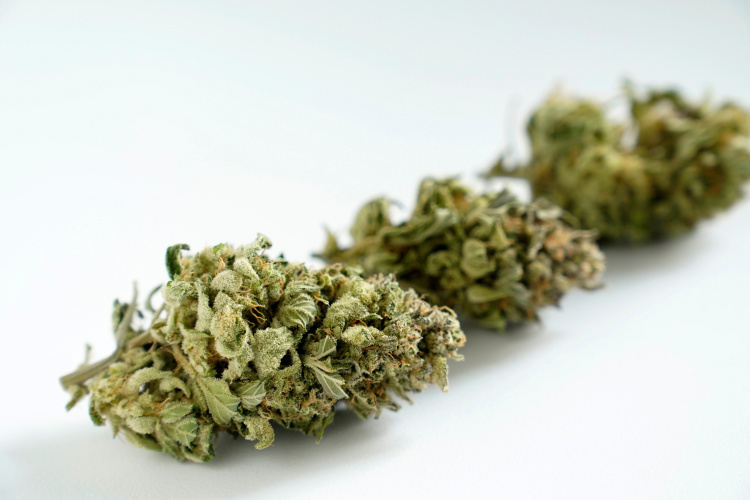
Vice City by Alternative Solutions
Vice City is a balanced hybrid with a smooth flavor and a soothing impact. It’s a mix of Sunset Runtz and Scotty 2 Hotty, often producing an initial sativa “head buzz” followed by a deeply relaxing body-heavy sensation typical of indicas. With 28.7% average THC concentrations, Vice City certainly isn’t for cannabis newcomers, but it’s also not the strongest weed strain out there.
Considering its balanced properties, earthy and sweet aromatics, Vice City may be the perfect entry point into the world of higher-potency strains.
Average potency: 28.7% THC
Banana Candy by Center City Cultivation
Also known as Banana Candy Kush, Banana Candy is one of the more mysterious names on our list of the best weed strains. Although it’s clear this cultivar has sweet and fruity aromatics, it’s unknown who first bred it or what flowers they used in its creation.
It’s likely Banana Candy gets its banana scent and indica edge from the iconic Banana Kush hybrid, but other than that, we can only guess whether strains like Skunk, OG Kush, or Haze play a role in its genotype. We do know, however, that this Banana Candy hits hard.
Average potency: 28.7% THC
Motorbreath by Alternative Solutions
With a name like “Motorbreath,” you’d better expect this strain to slap your nostrils with pronounced industrial aromatics, especially dank diesel. Although Motorbreath has plenty of lemon, earth, and hash aromatics, it’s the gassy notes that take people’s breath away when smoking this strain, not to mention the high THC content.
Typical cuts of Motorbreath have lab reports with a THC content of 32.3%, making it a much more intense experience than many classic industrial strains. In fact, the parent strains of Motorbreath—Chemdawg and SFV OG Kush—share a lot in common with another iconic hybrid: Sour Diesel. So, anyone who wants to take their Sour D to the next level will probably appreciate a ride with Motorbreath.
Average potency: 32.3%
KY Jealous by Columbia Care
Made with a blend of Watermelon Mimosa and Jealousy, KY Jealous is a hybrid strain that’s all about sweet and sugary notes, but it also has a bold, spicy, and citrusy undercurrent that can keep things interesting. The high THC content gives KY Jealous its status as one of the best pot strains on this list.
Average potency: 32.3%
Space Force One by Molecular Farms
Space Force One may be just the right spacecraft to hop aboard whenever you need to fly away from earthly concerns. Made by California’s Molecular Farms, this hybrid strain has average THC concentrations of around 32.6%, which is plenty of fuel to take even experienced consumers to new galaxies.
With its blend of OG Kush and Cookies, Space Force One has reliably high traces of indica genetics, which provides a sweet, hashy, and mellow experience. Add plenty of the terpene myrcene, and Space Force One is a fantastic pick when you want to go for an otherworldly journey right from your favorite chair or couch.
Average potency: 32.6%
Forbidden Fruit Cake by Columbia Care
We’ve all heard of the forbidden fruit in Genesis, and cannasseurs have probably already tasted the Forbidden Fruit hybrid—but what about Forbidden Fruit Cake? Unsurprisingly, Forbidden Fruit Cake combines two legendary hybrids in its namesake—Forbidden Fruit and Wedding Cake—to produce a deliciously sweet dessert hybrid. The strong indica properties and THC percentages make Forbidden Fruit Cake one of the highest THC strains available in DC.
Average potency: 33.1%
Red Bullz By Columbia Care
Red Bullz may be the epitome of eye candy. When cured properly, this hybrid mix of Grape Gas and White Runtz has an alluring powdery white appearance with plenty of orange and red streaks. Considering this sticky strain oozes white trichomes, it makes sense that it has incredible average THC percentages hovering around a whopping 35.6% and earning it the title of highest THC strain on this list.
Regarding flavor, Red Bullz takes on both the industrial and fruity sweet notes from its parent strains, giving it a weird and wonderful blend of fresh grapes and gasoline. Our customers also typically report that Red Bullz has even-balanced effects with a slight indica edge that is more likely to make you feel chill than buzzy.
Average potency: 35.6%
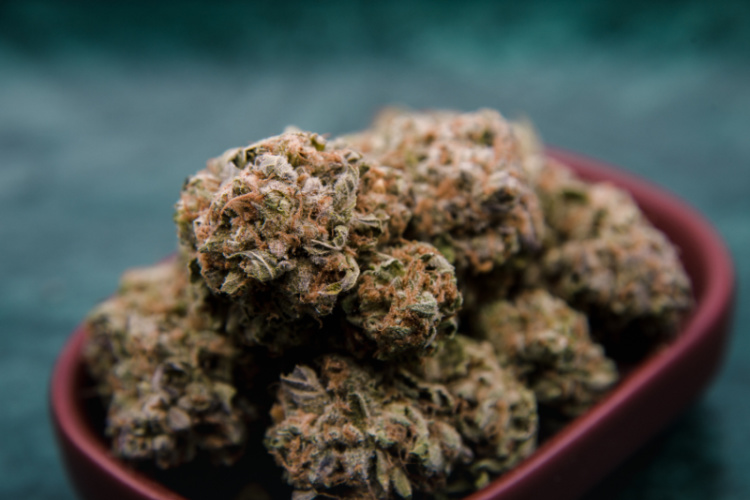
Shop Strong Weed Strains at Takoma Wellness
While it’s tempting to go straight for the best weed strains, that may not be the right call for every medical marijuana patient or adult-use consumer who comes through our doors. Some people prefer the highest THC strains, but others go for lower-intensity strains and everything in between. Come on in to our DC dispensary to chat with our team and find the cannabis flower that’s right for you.
But if you’ve been wanting to explore the wide world of strong THC strains, we’ve got you covered. At Takoma Wellness, you can find dozens of artisan-grade flower, high-quality edibles, vapes, concentrates, and so much more. Visit us in-person or browse our online menu for more details.
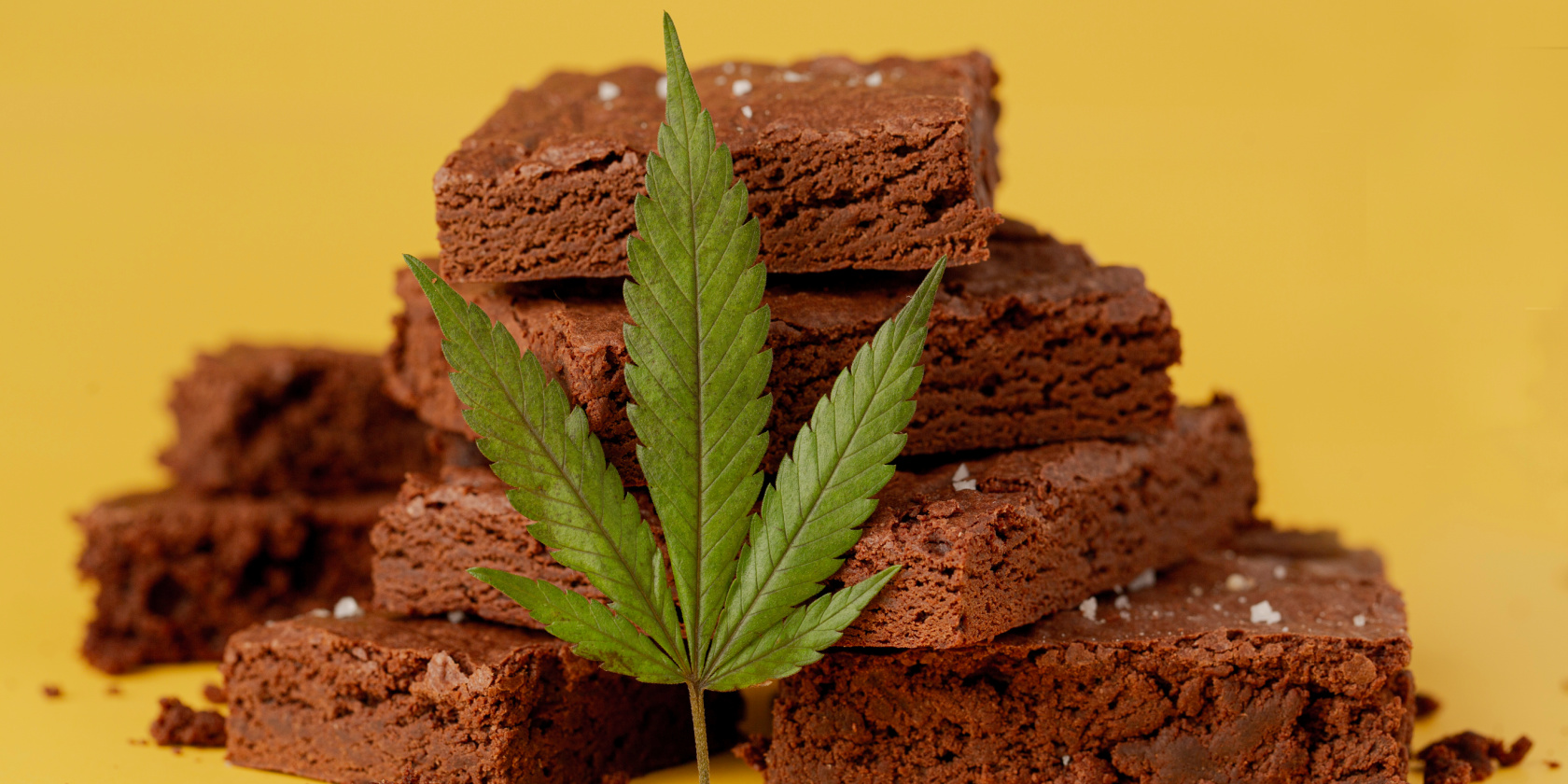
How To Make Pot Brownies: Step-by-Step Recipe
A delicious, long-lasting, and smoke-free way to enjoy cannabis, the quintessential pot brownie—or “happy brownie” as it’s been called throughout the years—has been refined and perfected over decades and can now be found in as many variations as there are cannabis strains.
Infused brownies are a fun and convenient way to consume cannabis, and though you can always find pre-made options with fancy ingredients lining dispensary shelves, making your own at home can be well worth the time and effort. After all, who doesn’t love a warm, gooey brownie fresh from the oven? Add a dose of THC, and you’ve got the perfect after-dinner dessert or midday treat.
If you’ve never made weed brownies before or want to refine your recipe, read on for our easy, tasty cannabutter and pot brownie recipes. With just a few ingredients, you’ll be on your way to chocolatey and stoney bliss.
Decarboxylating Your Cannabis
There are a couple of things you’ll need to do before you can actually start making pot brownies. If you’re starting with raw plant material, the first step is to decarboxylate your cannabis.
What Is Decarboxylation?
Decarboxylation is the process that activates the cannabinoids in your cannabis. Mainly, it converts non-intoxicating THCA into activated and intoxicating THC through gentle heating.
Once decarboxylated and consumed in an edible, THC transforms further into 11-hydroxy-THC as it passes through your digestive system with effects that can feel more potent and last for several hours. The effects from edibles are usually felt between 30 - 45 minutes after ingestion, but it’s recommended to wait at least 90 minutes from the first dose to the second dose to avoid consuming too much too quickly.
How to Decarboxylate Cannabis
You can easily decarboxylate cannabis in your oven. Here’s a quick step-by-step guide to get you on your way:
- Preheat the oven to 225°F
- Roughly grind up your flower and spread it out over a baking sheet lined with foil or parchment paper
- Set a timer and place the baking sheet in the oven for about 30 minutes
- When finished, remove and let cool. Your finished flower should have a light brown tinge to it
Pro Tip: Too high of heat or too long in the oven, and your cannabis will go past THC activation and into useless burnt flower. So keep a careful eye on your cannabis and check on its progress periodically.
How to Make Cannabutter: Step-by-Step Guide
The amount of decarbed cannabis and butter you specifically need will depend on how much butter you want to make and how potent you want it to be. This can involve a bit of math, but this nifty Scientific Edibles Calculator is a great alternative for those of us who aren’t so good with numbers.
Materials
- Ground decarbed cannabis
- Butter or oil
- Double boiler or slow cooker
- Cheesecloth
- Mason jar
Homemade Cannabutter Recipe
- Melt butter or put the desired amount of oil in the top pan of your double boiler with water on bottom
- Once melted or heated to a low heat of roughly 225°F—low to medium-low heat stove top or low heat in a slow cooker—add your decarbed cannabis
- Stirring occasionally, let the cannabis and butter infused together for at least 2 and up to 6 hours.
- Remove from heat and allow to cool for 10-15 minutes, but do not allow it to fully cool. It should still be runny for the next step
- Place the cheesecloth over the top of your mason jar and slowly strain the plant material from the melted butter or oil into the jar
- Place a lid on your Mason jar for storage. If saving for later, the butter and oil can be kept for the same shelf life as their non-infused counterparts
Do You Need Cannabutter to Make Weed Brownies?
In theory, you could just toss your decarbed bud directly into your brownie mix, but this method tends to make edibles taste too weedy and skunky. Additionally, there’s a good chance you’ll end up biting directly into little chunks of bud when you eat your brownie, so it might not be the best textural experience.
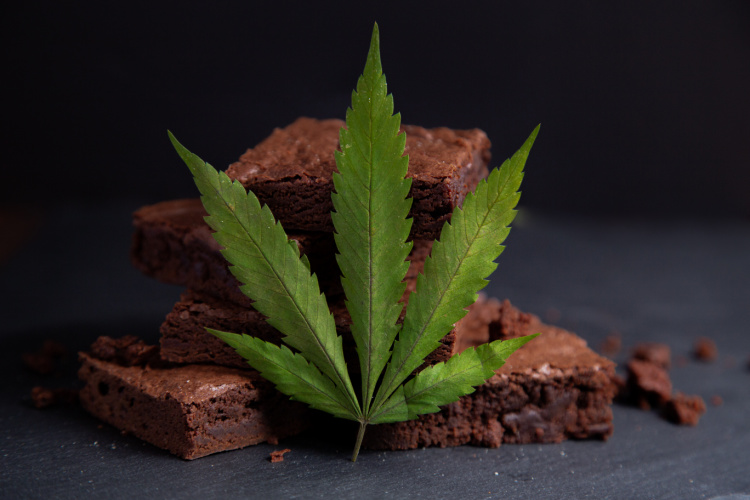
Instead, to make the best-tasting homemade weed brownies, you’ll want to use your decarboxylated bud to make cannabutter or canna-oil first and then infuse it into your recipe by wholly or partially replacing the non-infused butter with your infused option.
How to Make Weed Brownies
Now that you’ve gone through the steps of decarbing your cannabis and infusing it into your cannabutter, it’s time to make the brownies.
Materials
- Two mixing bowls, medium and large
- A wooden mixing spoon or spatula
- A whisk
- A saucepan
- A square baking pan (about 8 inches)
- Cooking spray or cooking oil
Ingredients
- ½ cup all-purpose flour
- ¼ teaspoon baking powder
- ¼ teaspoon salt
- 1 cup white sugar
- ⅓ cup cocoa powder (or pre-made brownie mix if you’re in a pinch)
- Two large eggs
- ½ cup cannabutter
- One teaspoon vanilla extract
Step-By-Step Pot Brownie Recipe
- Preheat the oven to 350°F. Spray or otherwise lightly grease the baking pan. Set aside.
- Gently melt your cannabutter in a saucepan set to low-medium heat, removing from the heat as soon as it’s melted. Allow to cool for five minutes
- In a medium bowl, mix the flour, baking powder, salt, sugar and cocoa powder (or brownie mix)
- In a large mixing bowl, whisk together the eggs, cannabutter, and vanilla extract until light and frothy
- Sprinkle the dry mixture into the cannabutter mixture and stir until just combined
- Pour it into a greased baking pan, spreading the mixture evenly throughout the pan
- Place the pan in the oven and let it bake for 30-40 minutes, until a toothpick comes out mostly clean
- Allow brownies to cool for at least an hour
- Cut the brownies up into individual squares according to the desired number of servings and potency
Shop DC’s Best Cannabis for Homemade Weed Brownies
Looking for some high-quality cannabis perfect for baking brownies or other edibles? Visit our dispensary today or check out our online menu and shop a wide selection of premium cannabis flower that are great for baking, vaping, and smoking. Don’t forget to ask about our excellent deals and discounts so you can make tasty treats without breaking the bank.
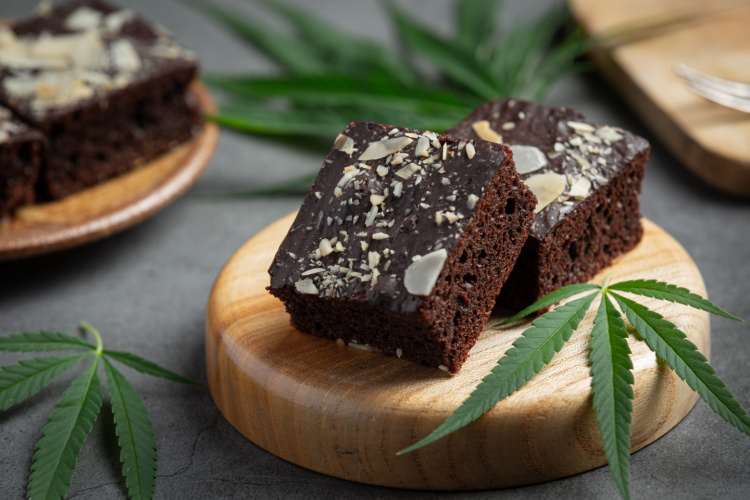
Want to learn more about cannabis edibles? Check out our edibles product guide for more.